

Bhutan Tours - Journey Through the Last Himalayan Kingdom
Bhutan guards its culture like nowhere else on earth. This Buddhist kingdom, tucked between Tibet and India, opens its doors to those who seek something deeper than just another destination. Here, prayer flags flutter at every mountain pass, dzongs rise from impossible cliffside perches, and happiness is measured differently. The experiences here aren't just tourist attractions - they're windows into a civilization that has chosen preservation over development, where ancient traditions thrive in the modern world.

Sustainable Tourism
Sustainable development fee of $100 per person per night (includes accommodation, food, guide, transport)

Pristine Trails
25+ trekking routes through protected forests covering 70% of the country

Cultural Integration
Dzongs, monasteries, and festivals along trekking paths

Carbon Negative
World's only carbon-negative country with environmental conservation priority
Answer the Call of Bhutan's Sacred Valleys
Pack your reverence alongside your curiosity and enter a kingdom that measures success by well-being rather than wealth, where tourism becomes cultural exchange.
Why Bhutan Stands Apart as a Travel Destination
Bhutan's approach to tourism mirrors its approach to life - measured, mindful, and meaningful. The country limits visitor numbers through a sustainable tourism policy, ensuring sites remain pristine and local communities benefit directly. This isn't mass tourism; it's intentional travel.
A Kingdom That Protects Its Treasures

Preserved Cultural Heritage
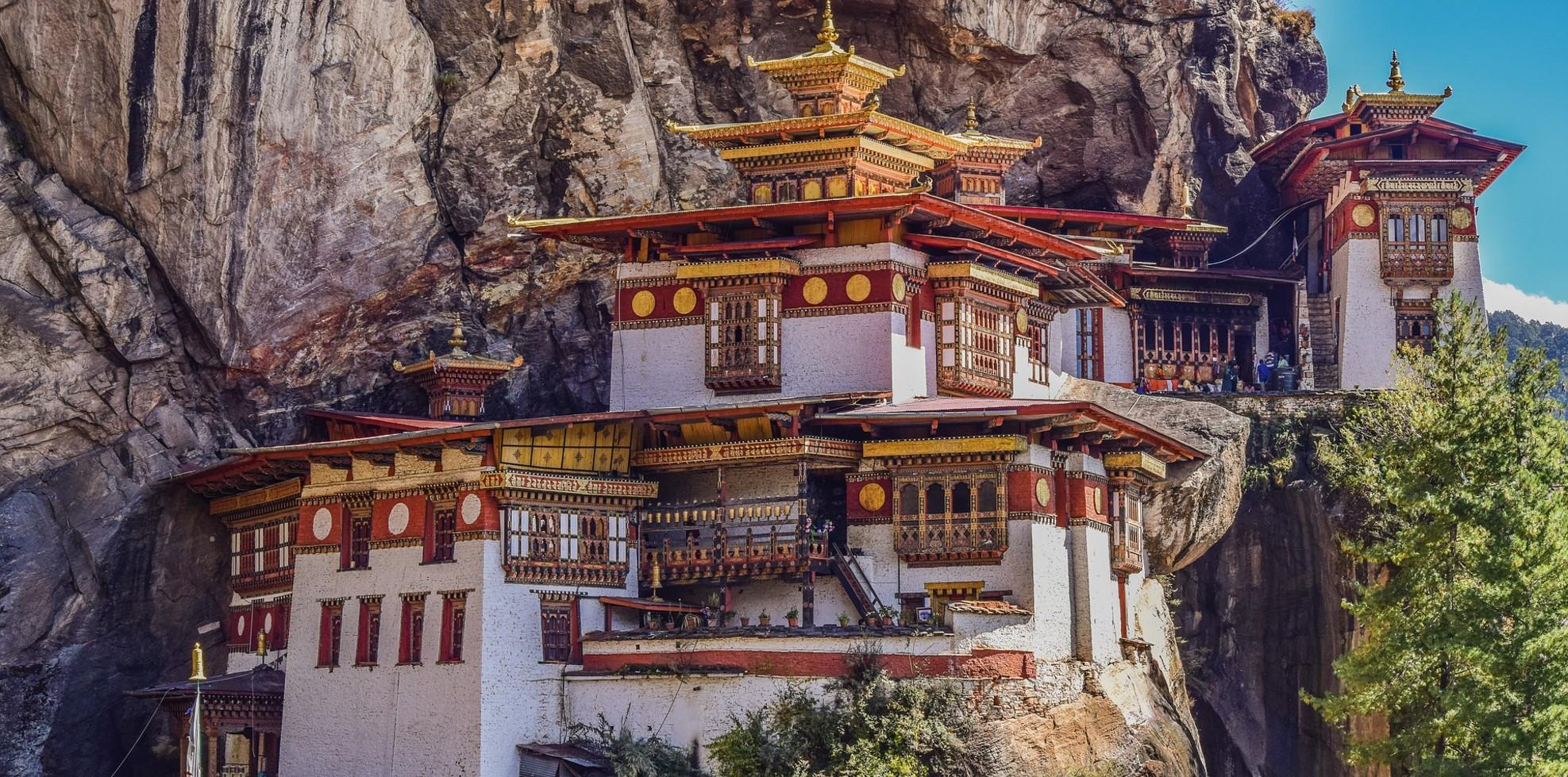
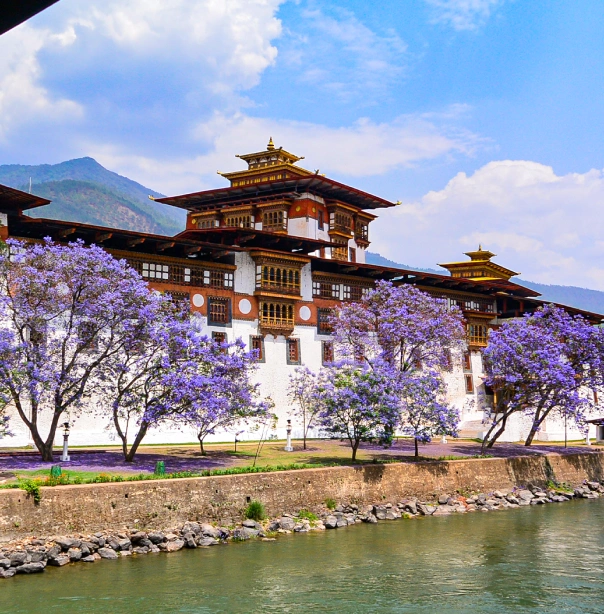
With over 70% forest coverage mandated by constitution and carbon-negative status, Bhutan's landscapes remain largely untouched by modern development. The Tiger's Nest monastery clings impossibly to a cliff 900 meters above Paro valley. Punakha Dzong sits at the confluence of two rivers, serving as winter home to Bhutan's monastic body. Thimphu, the world's only capital without traffic lights, balances modernity with tradition. The Dochula Pass displays 108 memorial chortens against a backdrop of Himalayan peaks. Each destination carries spiritual significance beyond mere beauty.

Buddhism Woven Into Every Experience
Visiting Bhutan means encountering religion in everything. Monks in maroon robes walk city streets and mountain paths. Festivals (tsechus) bring communities together for masked dances that tell Buddhist stories. Locals spin prayer wheels, circumambulate temples, and make offerings at roadside shrines. Your guide shares Buddhist philosophy that explains why certain practices persist and certain values dominate. The cultural etiquette includes respecting sacred sites, dressing modestly, and understanding that spirituality isn't separated from daily life.

Distinct Cultural Practices
Bhutan's uniqueness shines through its living traditions. Archery, the national sport, is practiced in every village with ceremonial enthusiasm. Traditional architecture dominates - no modern buildings breach aesthetic codes. The national dress (gho for men, kira for women) is worn universally, not as costume but as daily clothing. Hot stone baths soothe travelers using river-heated rocks. Ema datshi (chili cheese) represents the fiery cuisine. Red rice, buckwheat, and yak products sustain highland communities. Every meal, every interaction, every vista reinforces that you've truly stepped into a different world.
| Category | Details | Best Options |
|---|---|---|
| Altitude Range | 180m – 7,570m | Valley: <2,000m | Temperate: 2,000-3,500m | Alpine: 3,500-5,000m |
| Trekking Circuits | 4 Major Zones | Western (Paro, Thimphu) | Central (Bumthang, Trongsa) | Eastern (Lhuentse, Trashigang) |
| Best Timing | Two primary seasons | Spring (Mar-May) | Autumn (Sep-Nov) | Winter possible (Dec-Feb) |
| Duration Options | 5-30 days | Cultural: 5-8 days | Classic: 9-16 days | Challenging: 17-25 days | Snowman: 25-30 days |
| Trek Intensity | Moderate to extreme | Moderate: Druk Path | Challenging: Jhomolhari | Strenuous: Laya Gasa |
| Accommodation | Camping-based system | Full camping service | Porter support | Cook team | Dining tents | Toilet tents |
| Pricing Model | $250-350 per day | Sustainable Development Fee | All-inclusive package | High season premium (Mar-May, Sep-Nov) |
| Authorization | Visa + Permits | Tourist Visa | Trekking Permit | Cultural Site Entry | Route-specific clearance |
| Culinary Experience | Bhutanese to international | Ema Datshi (chili cheese) | Red Rice | Momos | Continental options |
| Communication | Limited connectivity | WiFi in hotels | No mobile on most treks | Satellite phone with operator |
| Safety Measures | Government-regulated | Licensed guides mandatory | Rescue coordination | Medical evacuation |
Frequently Asked Questions About Bhutan Tours
Your tour operator obtains all necessary permits and clearances. You need a visa, which is processed alongside your trip booking. Unlike destinations with independent travel, Bhutan requires accompanied visits by licensed guides, ensuring both safety and cultural sensitivity. This regulated approach protects both visitors and the country’s delicate cultural ecosystem.
Spring (March to May) brings rhododendron blooms, comfortable temperatures, and major festivals like Paro Tsechu. Autumn (September to November) offers crystal-clear skies, harvest celebrations, and excellent mountain visibility. Summer monsoons (June to August) bring rain but lush valleys and fewer visitors. Winter provides clear views and special festivals, though highlands grow quite cold.
No – all tourists must book through authorized operators with licensed guides. This policy protects both visitors and the environment while ensuring local communities benefit economically. Your guide serves as cultural interpreter, logistics coordinator, and companion throughout your journey. Rather than limiting freedom, this creates deeper immersion and understanding.


