


Nepal Peak Climbing: Scale Mountain Summits in Nepal
An exciting motley of trekking and mountaineering Nepal’s top peaks is a thrilling adventure for the brave hearted travellers. Mountains of Nepal are welcome for beginners to seasoned climbers. Starting from novice low technical mountain ascents of 6000m to scaling the mighty 8848m high roof of the world is open to climbers in Nepal.Scale New heights only in Nepal.

Climbing Peaks
414 peaks open including 33 trekking peaks (5,500m-6,500m) requiring no mountaineering experience

Expedition Mountains
18 major peaks from 6,500m to 8,849m for experienced climbers

Training Ground
Ideal preparation for higher Himalayan expeditions

Support Infrastructure
Established base camps, rope-fixing teams, weather forecasts
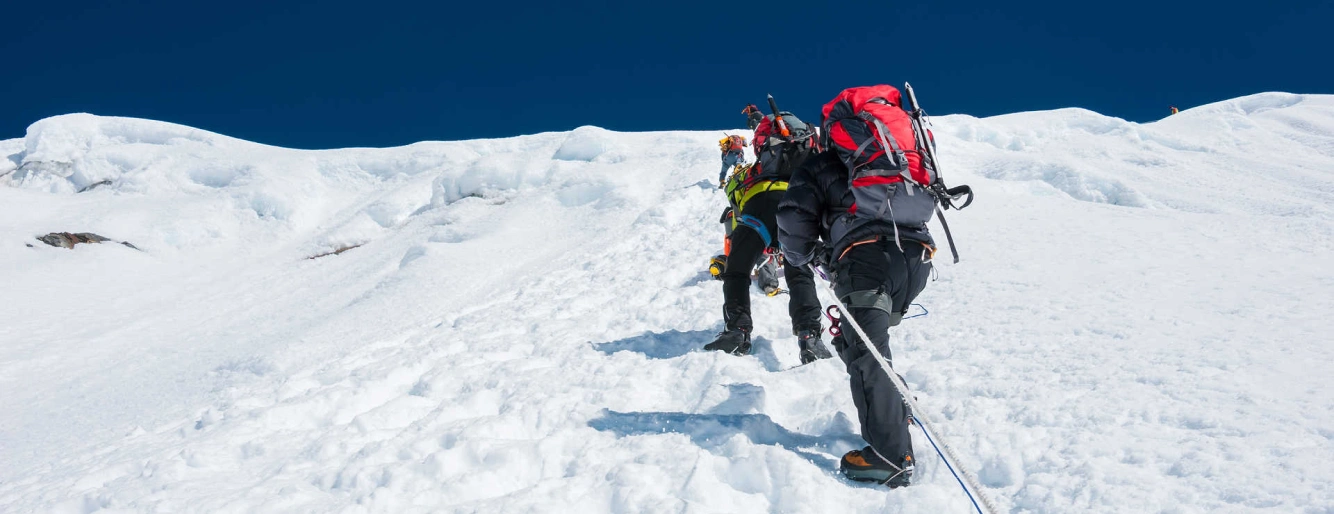
Summit Adventures - Conquer Nepal's Famed Peaks
Stand atop glaciated summits with panoramic Himalayan views on these professionally guided climbing expeditions.
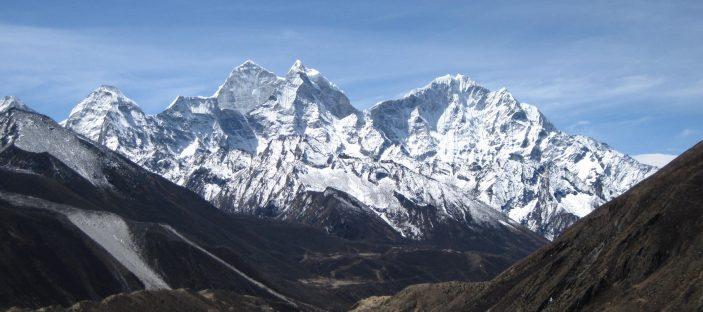
Dhampus Peak Climbing - 14 Days
Duration
14 Days
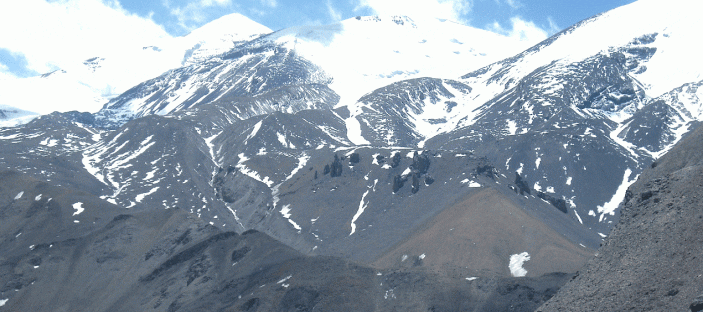
Saribung Peak Climbing - Day
Duration
Day
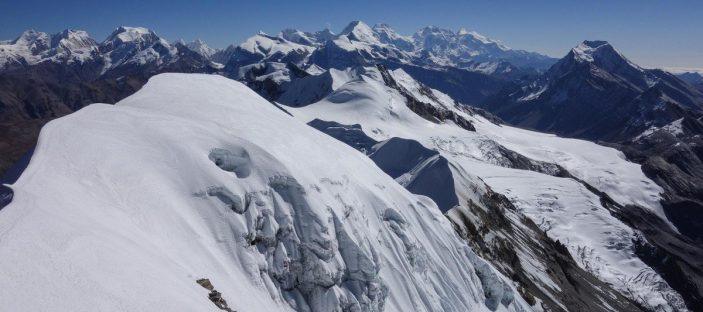
Chulu Far East Peak Climbing - Day
Duration
Day
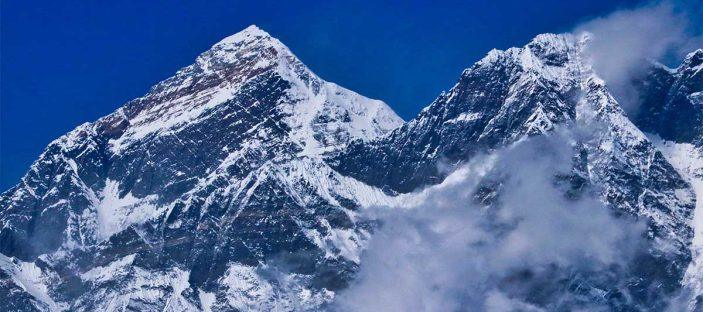
Mera Peak Climbing - 17 Days

Grade
moderate
Duration
17 Days
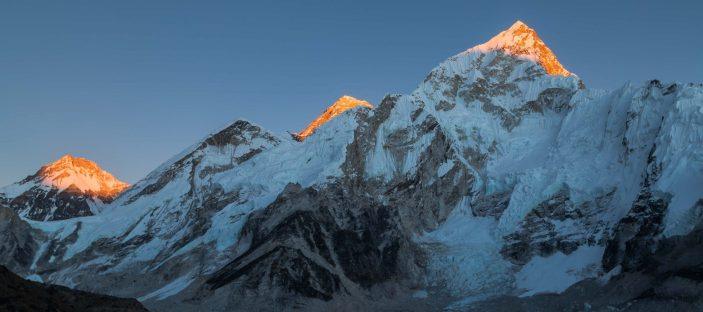
Island Peak Climbing with Everest Base Camp Trek - 18 Days
Grade
moderate
Duration
18 Days
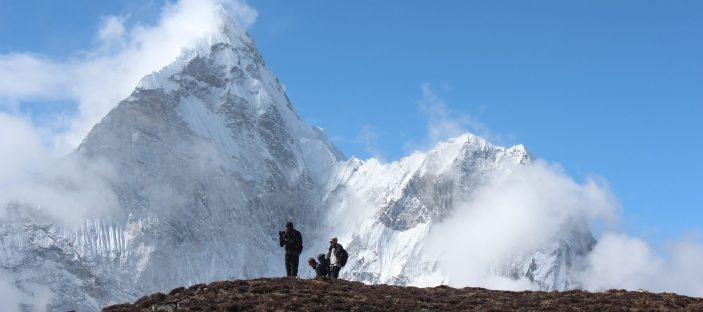
Pikey Peak Trek - 9 Days
Grade
moderate
Duration
9 Days
Begin Your Summit Journey
Rope up with experienced guides and climb beyond trekking trails to genuine Himalayan summits where few venture.
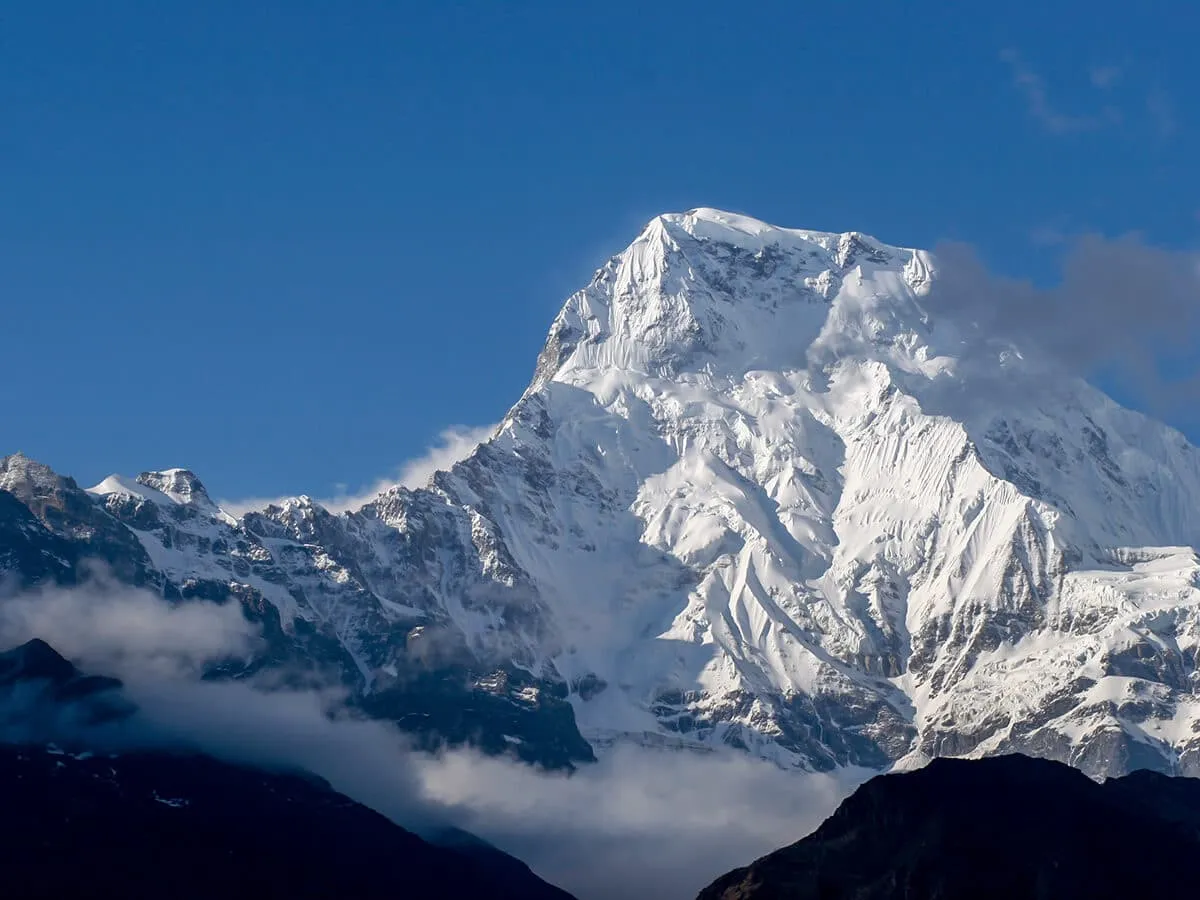
What Makes Nepal Ideal for Aspiring Mountaineers?
Nepal classifies numerous mountains as "trekking peaks" - summits between 5,500-6,500 meters requiring mountaineering skills but accessible to climbers without Everest-level experience. These peaks provide perfect training grounds for higher objectives while offering genuine alpine challenges including glacier travel, fixed rope sections, and high-altitude climbing. The Nepal Mountaineering Association permits make these summits more accessible than comparable climbs elsewhere.
A Climber's Proving Ground Peaks Matched to Your Ambition

Introductory to Advanced Ascents
Island Peak serves as the classic introduction to Himalayan climbing with spectacular views of Lhotse's south face. Mera Peak claims the title of Nepal's highest trekking peak at 6,476m. Lobuche East offers technical challenges on the approach to Everest. Chulu West in Annapurna provides remote wilderness climbing. Each peak demands respect but rewards climbers with unforgettable summit moments.

Professional Mountain Guidance
Climbing with experienced Sherpa guides who've summited major peaks ensures both safety and success. These mountain experts understand snow conditions, weather patterns, and proper acclimatization schedules. They teach essential skills like crampon techniques, ice axe arrest, rope management, and altitude adjustment while maintaining fixed lines and managing logistics.

High-Altitude Training Environment
Peak climbing in Nepal naturally conditions you for higher mountains. Extended time above 5,000 meters teaches your body to function with less oxygen. You'll learn critical mountaineering skills in actual alpine conditions rather than controlled settings. Many climbers use trekking peaks as preparation for 7,000m and 8,000m expeditions, making Nepal the world's best mountaineering school.
| Category | Details | Best Options |
|---|---|---|
| Peak Classifications | 5,587m – 8,849m | Trekking peaks: 5,500-6,500m | Alpine peaks: 6,500-7,500m | Expedition peaks: 7,500-8,000m |
| Popular Summits | 25+ Accessible Peaks | Island Peak 6,189m | Mera Peak 6,476m | Lobuche 6,119m | Yala Peak 5,732m |
| Climbing Seasons | Two weather windows | Spring (Apr-May): Main season | Autumn (Oct-Nov): Second season | Winter: Select peaks only |
| Expedition Length | 10-60 days | Trekking peaks: 10-18 days | Alpine peaks: 20-30 days | Major expeditions: 35-45 days |
| Technical Requirements | Basic to advanced | Non-technical: Mera, Yala | Moderate: Island, Lobuche | Technical: Ama Dablam |
| Base Infrastructure | Camp-based expeditions | Teahouse approach | Base camp setup | High camps | Fixed ropes |
| Cost Structure | $2,000-100,000+ | Trekking peaks: $2,000-4,500 | Alpine: $5,000-15,000 | 7,000m: $8,000-25,000 |
| Permit Categories | 4 fee structures | Group A: $250-500 | Group B: $500-1,000 | Expedition: $1,800-11,000 |
| Equipment Needs | Personal to expedition | Personal gear | Technical equipment | High altitude gear | Expedition supplies |
| Team Composition | 1:1 to 1:4 ratios | Climbing Sherpa | Base camp staff | Cooks | Porters | Sirdar | Guide |
| Safety Systems | Multi-layered | Acclimatization schedule | Weather forecasting | Emergency oxygen |
Frequently Asked Questions About Peak Climbing in Nepal
Get informed before committing to your first Himalayan summit attempt.
Standard packages include climbing permits, experienced Sherpa guides, base camp and high camp support, group climbing equipment (ropes, ice screws, snow bars), accommodation during the approach trek, meals, and emergency evacuation arrangements. You typically provide personal climbing gear like boots, harness, and down suit, though rental options exist.
Significantly more challenging than trekking. Summit days often begin at midnight, climbing 6-10 hours to reach the top, then descending the same day. You’ll carry a pack while using crampons and ice axe on steep snow and ice. Training should include cardio endurance, leg strength, and weekend hikes with weighted packs for several months before departure.
Success rates vary by peak, season, and individual fitness. Popular peaks like Island Peak see 60-80% summit success when conditions are favorable. Factors affecting success include weather windows, proper acclimatization, physical conditioning, and mental determination. Experienced operators maximize chances through smart scheduling and proven itineraries.


