


India Tours -Explore theSubcontinent's Endless Diversity
India overwhelms the senses in ways few countries can match. From the snow-capped Himalayas in the north to tropical beaches in the south, from ancient temples that still echo with prayers to modern cities pulsing with energy - India contains multitudes. This isn't one destination but dozens woven into a single nation where every state feels like a different country. The chaos, the colors, the spiritual intensity, the historical depth - India doesn't just welcome travelers, it transforms them.

Vast Diversity
28 states, 8 union territories spanning 3.3 million sq km from tropical beaches to Himalayan peaks

Cultural Heritage
42 UNESCO World Heritage Sites including Taj Mahal, 22 official languages, 5,000+ years of civilization

Geographic Range
Sea level to 8,586m (Kanchenjunga), covering deserts, rainforests, plains, mountains, and 7,516km coastline

Tourism Variety
Golden Triangle circuits, spiritual journeys, wildlife safaris, beach resorts, adventure sports, wellness retreats
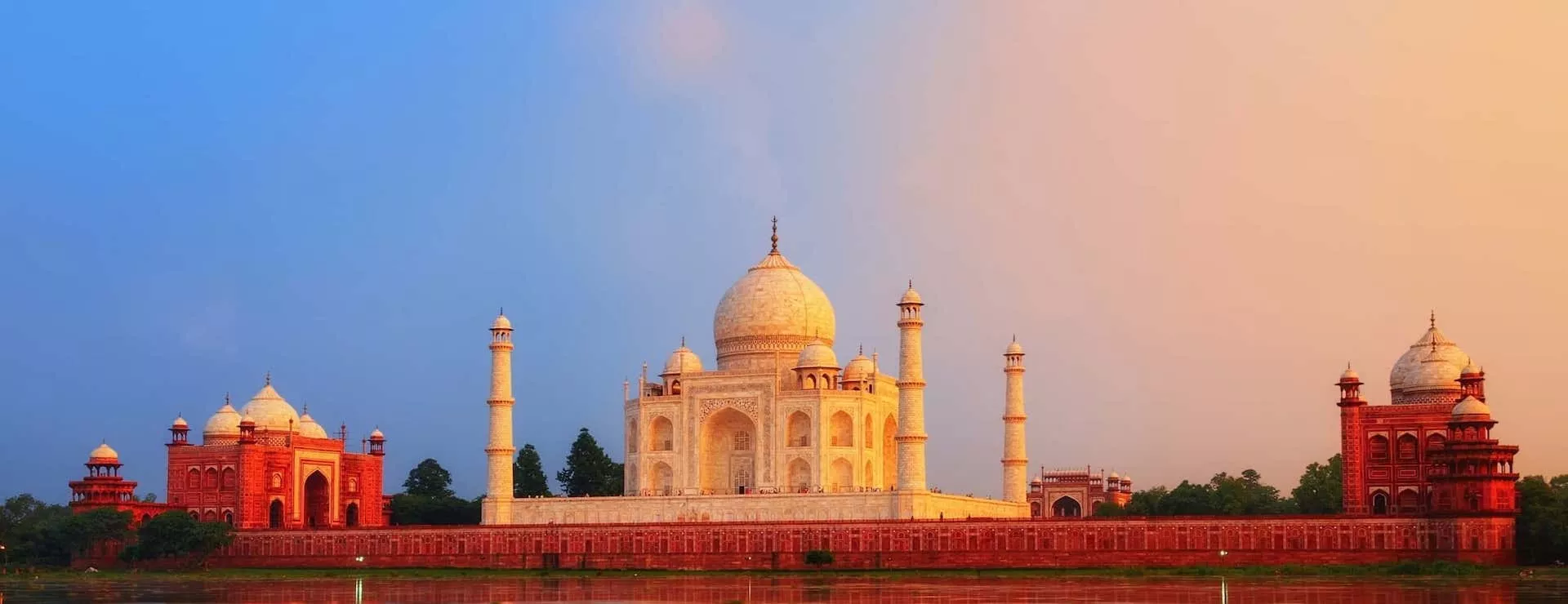
Featured India Tour Packages
Whether exploring Rajasthan's desert forts, Kerala's backwaters, Himalayan hill stations, or Goa's beaches, each region presents distinct character.
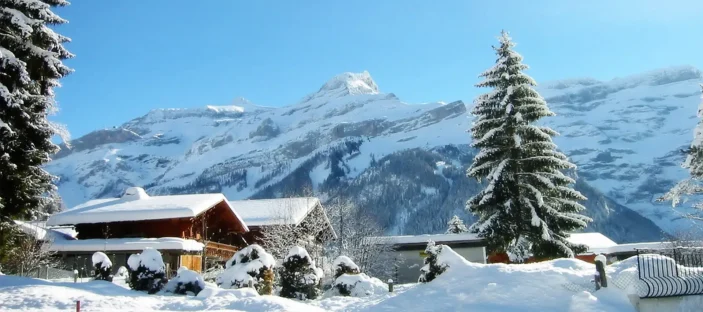
Shimla Manali Tour Packages - 6 Days

Grade
moderate
Duration
6 Days
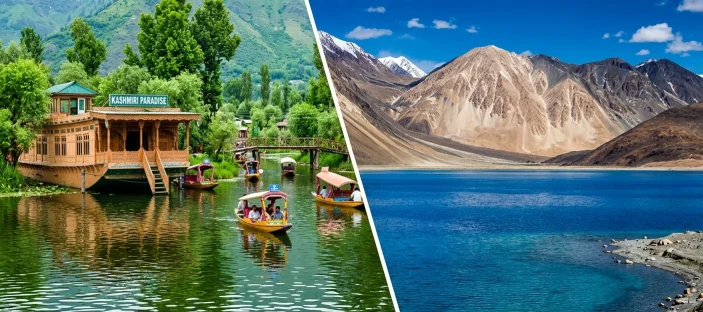
Kashmir Ladakh Tour Packages - 18 Days
Duration
18 Days
Embrace India's Magnificent Contradictions
Choose your regions, select your pace, and discover why India captivates travelers who return again and again, always finding something new.
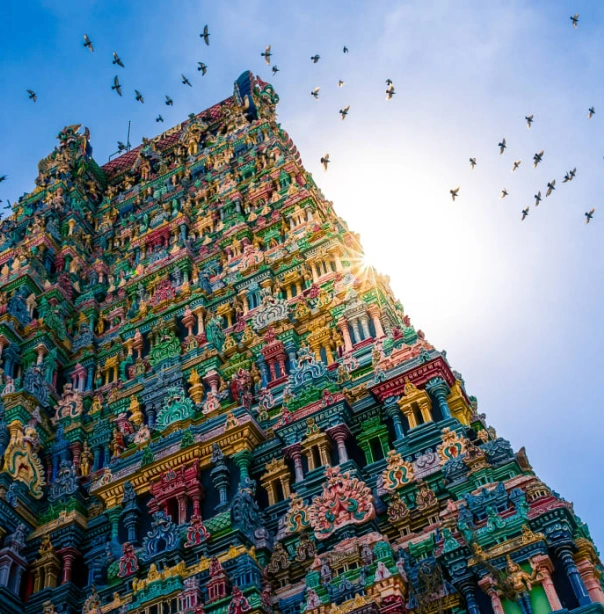
The Remarkable Diversity of Indian Experiences
India's states each offer distinct personalities shaped by geography, climate, religion, language, and history. This diversity means you can visit multiple regions within one country and experience entirely different worlds.
A Spectrum of Landscapes and Cultures

Regional Characteristics
The Golden Triangle (Delhi-Agra-Jaipur) showcases Mughal grandeur and Rajasthani splendor with the Taj Mahal, Red Fort, and pink-hued palaces. Rajasthan's desert landscape hosts camel safaris and elaborate haveli hotels. Kerala's tropical backwaters offer houseboat cruises through coconut-lined canals. The Himalayan north presents Buddhist monasteries in Ladakh, colonial hill stations like Shimla and Darjeeling, and spiritual centers like Rishikesh. Tamil Nadu and Karnataka display Dravidian temple architecture with towering gopurams. Goa provides Portuguese colonial heritage alongside beach relaxation. Each region maintains distinct cuisine, festivals, art forms, and daily rhythms.

Spiritual Crossroads at Every Turn
India's religious diversity creates constant cultural encounters. Witness Hindu pujas at Varanasi's ghats where cremations proceed as they have for millennia. Visit Sikh temples (gurdwaras) where community kitchens serve free meals to all. Explore Jain temples with intricate marble carvings celebrating non-violence. Experience Buddhist monasteries in Himalayan regions and ancient sites like Bodh Gaya where Buddha achieved enlightenment. Walk through Sufi shrines where qawwali music connects devotees to the divine. Every region celebrates different festivals with processions, music, and rituals unchanged for generations.

Living History and World Heritage
India hosts more UNESCO World Heritage sites than most countries combined. The Taj Mahal represents eternal love in white marble. Ajanta and Ellora caves display ancient Buddhist, Hindu, and Jain art carved into rock. Hampi's ruins sprawl across boulder-strewn landscape. Konark's Sun Temple showcases architectural genius. Colonial architecture dots cities from Mumbai's Gateway of India to Kolkata's Victoria Memorial. Yet beyond monuments, history lives in daily practices - traditional crafts, classical dance forms, textile techniques, and culinary traditions passed through centuries.
| Category | Details | Best Options |
|---|---|---|
| Geographic Zones | 6 Major Tourism Regions | North: Himalayas, Kashmir, Ladakh, Himachal, Uttarakhand | East: West Bengal, Sikkim, Northeast states, Odisha | West: Rajasthan, Gujarat, Goa, Maharashtra |
| Altitude Range | 0m – 8,586m | Coastal: 0-100m (beaches, backwaters) | Plains: 100-500m (cities, cultural sites) | Hills: 500-2,500m (hill stations) |
| Climate Diversity | 6 Climatic Zones | Tropical: South, coastal (25-35°C) | Arid: Rajasthan, Gujarat (5-45°C) | Temperate: Hill stations (10-25°C) |
| Best Travel Seasons | Region-dependent timing | North/Himalayas: Apr-Jun, Sep-Nov | Rajasthan: Oct-Mar | South/Beaches: Nov-Feb |
| Trip Duration Options | 3-45 days | Golden Triangle: 5-7 days | Rajasthan Circuit: 10-14 days | South India: 10-15 days |
| Activity Categories | 10+ Tourism Types | Cultural: Heritage sites, monuments, temples | Adventure: Trekking, rafting, skiing, mountaineering | Wildlife: 50+ national parks, tiger reserves |
| Accommodation Spectrum | Budget to ultra-luxury | Budget: ₹500-1,500 ($6-18) | Mid-range: ₹2,000-5,000 ($24-60) | Heritage Hotels: ₹5,000-15,000 ($60-180) |
| Religious Diversity | Secular democracy | Hindu: 79.8% (temples nationwide) | Muslim: 14.2% (mosques, dargahs) | Christian: 2.3% (churches) |
| Language & Communication | Multilingual nation | English: Widely spoken in tourist areas | Hindi: National language | Regional: 22 official languages |
| Shopping Highlights | Regional specialties | Textiles: Silk, cotton, pashmina | Handicrafts: Marble, wood, brass work | Jewelry: Gold, silver, gemstones |
| Safety & Health | Standard precautions | Vaccinations: Hepatitis A/B, Typhoid, routine boosters | Travel Insurance: Highly recommended | Water: Bottled water advised |
Frequently Asked Questions About India Tours
India welcomes millions of tourists annually who travel safely with common-sense precautions. Use registered tour operators, book reputable accommodations, avoid isolated areas after dark, dress respectfully especially at religious sites, and stay aware in crowded places. Food safety matters – eat at busy restaurants, avoid unpeeled fruits and tap water. Women travelers should take extra precautions. India’s reputation for chaos is real, but so is the warmth of locals who genuinely want to help.
Most areas require only a tourist visa (available online). Restricted areas near borders – parts of Ladakh, Sikkim, Arunachal Pradesh, and others – need Protected Area Permits or Inner Line Permits that tour operators arrange. These restrictions exist for security in sensitive border regions. Processing takes time, so plan ahead if visiting frontier areas.
Mentally prepare for sensory overload – noise, crowds, aggressive vendors, traffic chaos, pollution in cities, and sanitation challenges. Physical preparation includes stomach-settling medications, hand sanitizer, modest clothing, and patience. India tests travelers but rewards those who approach it with flexibility, humor, and openness. The intensity becomes part of the appeal once you adjust to different rhythms.


