

Tibet Tour Journey to the Roof of the World
Tibet exists at altitudes where most mountains end. This vast plateau, averaging over 4,500 meters above sea level, presents trekking unlike anywhere else on the planet. Here, turquoise lakes reflect snow peaks under impossibly blue skies. Prayer flags snap in thin air. Monasteries that survived centuries of turmoil still echo with chanting. Mount Kailash rises as a pyramid of rock and ice, drawing pilgrims who circumambulate its base as they've done for millennia. This is trekking as spiritual geography.

The Roof of the World
Average elevation 4,500m with Mount Everest North Face (8,849m)

Sacred Journeys
Kailash-Mansarovar pilgrimage and ancient caravan routes

Permit Complexity
Multiple Chinese permits required, organized tours mandatory

High Altitude Realm
Most treks conducted above 4,000m requiring proper acclimatization

Iconic Tibet Tour Packages
From the Kailash kora to the Ganden to Samye trek, each route combines physical challenge with spiritual significance.
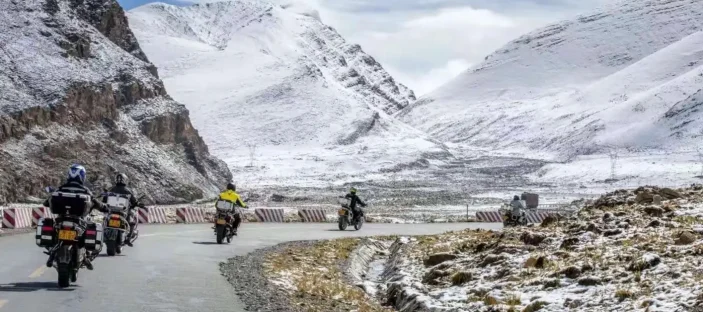
Tibet Motorbike Tour - 12 Days

Grade
moderate
Duration
12 Days
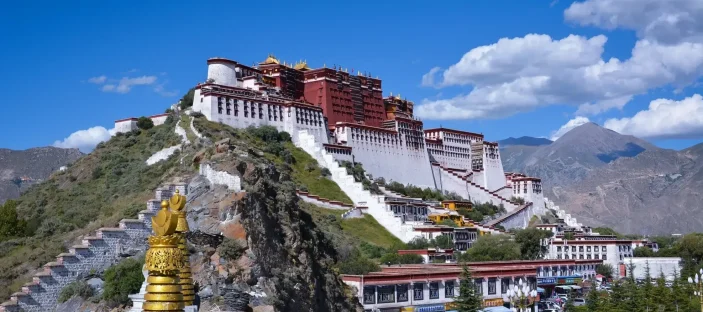
Lhasa Tour Packages - 4 Days
Grade
moderate
Duration
4 Days
Answer the Invitation of Sacred Mountains
Prepare for thin air, profound silence, and encounters with a culture that places spiritual practice at the center of existence.

The Profound Experience of High-Altitude Tibet
Tibet occupies a unique position in the trekking world - geographically extreme, culturally distinct, and politically complex. The very act of trekking here requires special considerations regarding altitude, permits, and responsible travel in an occupied territory.
The Altitude Reality

Extreme Elevation Considerations
Most Tibet treks maintain altitudes between 4,000 and 5,500 meters throughout the journey. Unlike typical mountain treks where you climb to high passes then descend, Tibetan trekking keeps you consistently in the thin-air zone. The Kailash kora circuit reaches 5,630 meters at Dolma La pass. The Everest Base Camp route on the Tibetan side starts at Tingri (4,300m) and climbs to 5,200 meters. This demands serious acclimatization, typically requiring several days in Lhasa (3,650m) before trekking and acceptance that altitude affects everyone differently regardless of fitness.

Living Buddhism in Every Direction
Tibetan Buddhism permeates the landscape. Monasteries like Ganden, Samye, and Rongbuk serve as starting or ending points for treks. Pilgrims perform full-body prostrations around holy sites. Sky burial sites remind trekkers of Tibetan death rituals. Every mountain pass displays prayer flags inscribed with mantras. The very terrain is considered sacred - Mount Kailash remains unclimbed out of respect for its significance to Buddhists, Hindus, Jains, and Bon practitioners. Understanding this spiritual context enriches every step.

Unique High-Altitude Ecosystems
The Tibetan Plateau hosts specially adapted wildlife. Wild yaks graze windswept plains. Tibetan antelope (chiru) migrate across vast distances. Himalayan marmots whistle warnings from rocky outcrops. Bar-headed geese - the world's highest-flying birds - pass overhead on migrations that cross Himalayan peaks. Vegetation remains sparse but includes hardy species like Tibetan cushion plants and specialized grasses that nomadic herders' animals depend upon.
| Category | Details | Best Options |
|---|---|---|
| Elevation Profile | 3,600m – 8,849m | Plateau: 3,600-4,500m | High: 4,500-5,500m | Extreme: 5,500-6,500m |
| Trekking Areas | 4 Main Regions | Central (Lhasa, Yamdrok) | Western (Kailash, Guge) | Eastern (Kham) |
| Travel Windows | Short seasonal access | Summer (May-Jun) | Peak (Jul-Aug) | Autumn (Sep-Oct) | Limited winter access |
| Trip Duration | 7-25 days | Short: 7-10 days | Standard: 11-16 days | Extended: 17-25 days |
| Physical Demand | Moderate to very demanding | Moderate: Cultural tours | Challenging: Kailash Kora | Demanding: Base Camp treks |
| Lodging Style | Hotels to guesthouses | Hotels in cities | Guesthouses in towns | Camping in remote areas |
| Investment Level | $150-400 per day | Standard: $150-200 | Comfort: $200-300 | Premium: $300-400+ |
| Documentation | 5-7 permits needed | Chinese Visa | Tibet Travel Permit | Alien Travel Permit | Military Permit |
| Food Options | Tibetan and Chinese | Tsampa (barley) | Yak meat dishes | Momos | Butter tea |
| Connectivity | Restricted access | Hotel WiFi | Chinese SIM available | VPN required for international access |
| Safety Support | Tour company dependent | Oxygen supplies | Vehicle support | Experienced guides | Altitude medication |
Frequently Asked Questions for Tibet Tour
Absolutely critical. Tibet starts where other treks end altitude-wise. Spend minimum 3-4 days acclimatizing in Lhasa before trekking. Ascend gradually if possible. Stay hydrated and avoid alcohol initially. Consider medications like Diamox after consulting your doctor. Previous high-altitude experience helps but doesn’t guarantee immunity to acute mountain sickness. Some trekkers struggle despite perfect fitness. Recognize symptoms early and be prepared to descend if needed.
Foreign travelers need Tibet Travel Permits (arranged by tour operators), Alien Travel Permits for areas outside Lhasa, and Military Permits for certain border regions. The Kailash region requires additional permits. Permit rules change frequently based on political situations. Always book through established operators who monitor current requirements. Individual permit applications aren’t possible – you must travel as part of organized groups.
No – foreign travelers cannot trek independently or even travel independently in Tibet. Government regulations require joining organized tours with licensed Tibetan guides throughout your stay. This applies to all areas including Lhasa city. While this limits spontaneity, it provides logistical support crucial for high-altitude safety and ensures you have guides who understand both the terrain and the complex political environment.


