

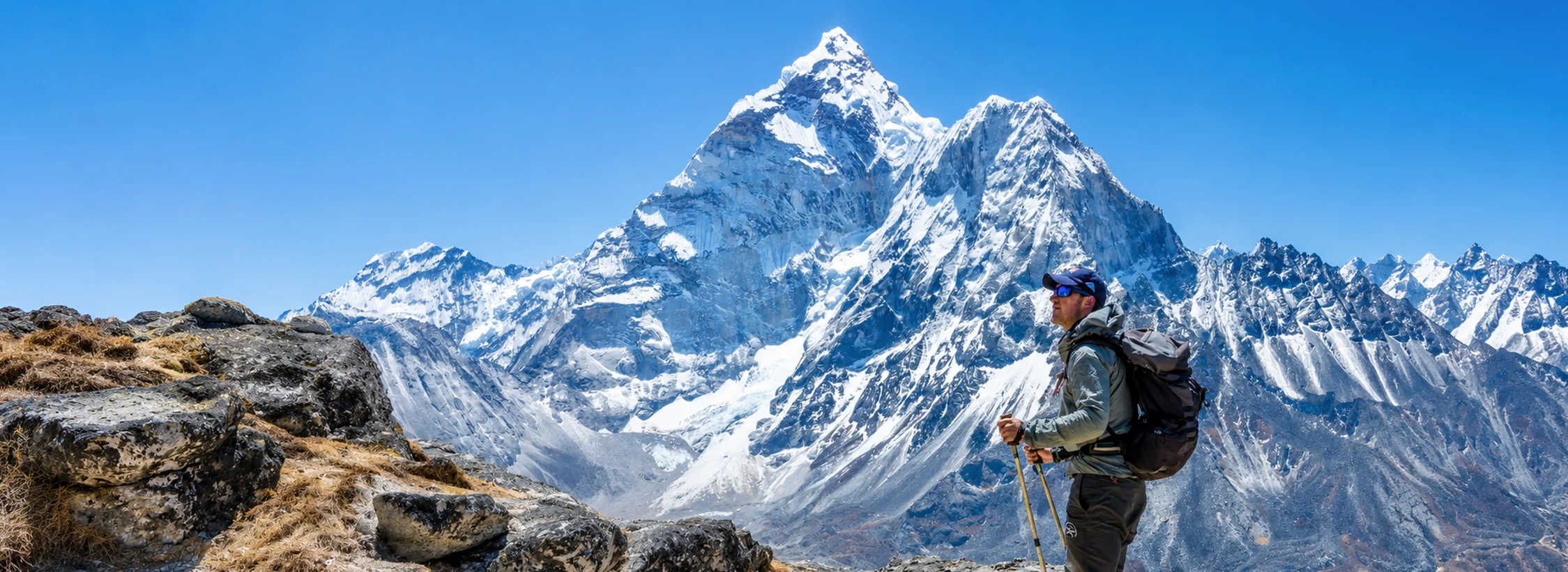
The Everest Base Camp (EBC) trek is one of the most iconic treks at the foot of the world’s highest mountain, Mount Everest (8848.86m). The trek comprises breathtaking mountain scenery, ancient monasteries, and stunning landscapes. Along the trail, trekkers pass through traditional Sherpa villages, observing and experiencing the community’s unique culture, hospitality, and way of life.
In 2026, the Everest Base Camp (EBC) Trek typically costs between USD 950 and USD 5,000+ per person, depending on whether you choose a budget group trek, a private guided trek, or a luxury package with helicopter return.
This blog covers everything you need to know about the Everest Base Camp Trek, including cost, itinerary, permits, best time to visit, route, difficulty level, accommodation, and essential travel tips.
Everest Base Camp Trek
| Trek Overview | Details |
| Trek Region | Everest (Khumbu), Solukhumbu District, Nepal |
| Maximum Altitude | Everest Base Camp (5,364 m), Kala Patthar (5,545 m) |
| Trek Duration | 12–14 Days |
| Trek Difficulty | Moderate to Challenging |
| Best Seasons | Spring (March–May), Autumn (September–November) |
| Starting and Ending Point | Lukla (2,860 m) |
| Popular Attractions | Namche Bazaar, Tengboche Monastery, Everest Base Camp, Kala Patthar |
| Accommodation | Tea Houses, Lodges, Luxury Lodges (selected villages) |
| Permits Required | Sagarmatha National Park Permit, Khumbu Pasang Lhamu Rural Municipality Permit |
| Transportation | Flight or Helicopter to Lukla/ Private or shared Jeep |
| Suitable For | Adventure seekers, experienced beginners, photographers, nature lovers |
Hidden Gems Along the Trail
Everest Base Camp is the ultimate goal, but the experience throughout the trail is quite magnificent as well. Traditional Sherpa villages on the trail like Phakding, Namche Bazaar, and Pangboche, where you can experience the local culture, warm hospitality, and centuries-old Buddhist traditions. Colorful prayer flags, ancient monasteries, Mani walls, and spinning prayer wheels add a spiritual charm to the route.
You can see the stunning landscape of Sagarmatha National Park, home to rhododendron forests, alpine meadows, glacial rivers, and unique Himalayan wildlife, including musk deer, Himalayan tahr, and colorful pheasants.
Viewpoints at Tengboche, Dingboche, Nangkartshang Peak, and Kala Patthar offer breathtaking views of Everest, Lhotse, Nuptse, Ama Dablam, and countless other snow-capped peaks. These lesser-known experiences make the Everest Base Camp Trek much more than simply reaching the base of the world’s highest mountain.
Cost Estimation For Trek
| Trek Style | Estimated Cost | Details | Best For |
| Solo Trek | USD 950–1,200 | Permits, flights, teahouses, meals, self-managed logistics | Experienced trekkers |
| Standard Guided Trek | USD 1,250–1,800 | Permits, flights, guide, porter, accommodation, meals, airport transfers | Experienced trekkers |
| Luxury Trek | USD 2,500–5,000+ | Luxury lodges, private guide, porter, premium meals, helicopter return (optional) | Travelers seeking comfort |
Leave it to Trekkers Nepal to take care of every detail of your trip to Nepal, from permits and flights to experienced guides and comfortable accommodations, so you can focus on enjoying the adventure.
Best Time for the Everest Base Camp Trek
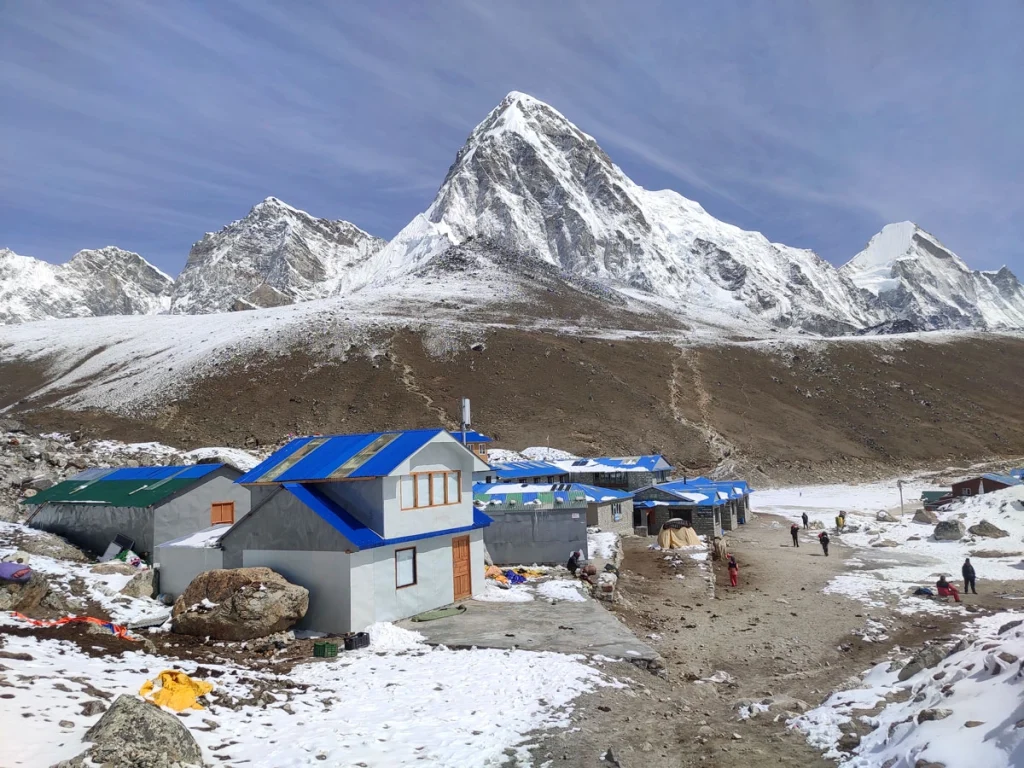
The Everest Base Camp Trek can be completed throughout the year, but spring and autumn offer the most favorable trekking conditions.
Spring (March to May)
Spring is considered one of the best seasons for the Everest Base Camp Trek. Pleasant temperatures, blooming rhododendron forests, stable weather, and excellent mountain visibility make trekking fun and beautiful. The trail is lively with trekkers from around the world.
Autumn (September to November)
Autumn is also one of the ideal seasons for the Everest Base Camp Trek. Stable weather, clean air right after monsoon, crisp views, and dry trails make the trek comfortable and beautiful on its own. Fresh mountain views after the monsoon season make it Nepal’s most popular trekking season.
Monsoon and Winter
During the monsoon (June to August), rainfall can cause flight delays, slippery trails, and poor visibility. However, trips can be cheaper. The landscape becomes lush and green during this time.
Winter (December to February) is the least crowded, and the trip can be cheaper. Winter offers spectacular mountain views. Freezing temperatures and heavy snowfall can make trekking on higher elevations slightly challenging, but it is best for adventure seekers.
Everest Base Camp Itinerary
The Everest Base Camp Trek begins with a scenic flight from Kathmandu to Lukla. The trek typically takes 12–14 days, allowing enough time for proper acclimatization and a safe ascent. The Everest Base Camp trek itinerary is provided below.
Day 1: Arrival at Kathmandu Airport
Day 2: Fly to Lukla, trek to Phakding
Day 3: Trek from Phakding to Namche Bazaar
Day 4: Acclimatization Day – Namche Bazaar
Day 5: Namche Bazaar to Tengboche
Day 6: Tengboche to Dingboche
Day 7: Dingboche
Day 8: Dingboche to Lobuche
Day 9: Lobuche to Gorak Shep
Day 10: Gorak Shep – Kala Pathar
Day 11: Pheriche to Namche Bazaar
Day 12: Namche Bazaar to Lukla
Day 13: Lukla to Kathmandu
Day 14: Departure Day
Everest Base Camp Trek Permit Requirements
Trekkers need the following permits before entering the Everest region.
| Permit | Cost |
| Sagarmatha National Park Entry Permit | NPR 3,000 (Foreigners), NPR 1,000(SAARC nationals ), tax included |
| Khumbu Pasang Lhamu Rural Municipality Permit | NPR 3,000 for all foreigners |
Essential Travel Tips
If you’re planning the Everest Base Camp Trek, you can follow these tips to make your journey safer and more fun.
- Trek during spring or autumn for the best weather.
- Obtain the required permit and documentation for trekking in the region
- Allow sufficient acclimatization days.
- Stay hydrated throughout the trek.
- Walk slowly and maintain a steady pace.
- Pack quality trekking gear suitable for cold weather.
- Put trash in dustbins or keep it with you until you find one.
- Carry enough cash, as ATMs are limited beyond Namche Bazaar.
- Follow your guide’s advice regarding altitude sickness symptoms.
Conclusion
The Everest Base Camp treats your eyes and soul with beauty and satisfaction. Get lost in the Himalayas, flora, and fauna while observing, learning, and experiencing Sherpa culture. You will also meet other trekkers from around the globe, making it a beautiful shared experience.
Proper planning, choosing the right season, and selecting a trekking package that matches your budget will make your experience rewarding. Plan one of the best trips of your life with us. We offer an expertly guided Everest Base Camp trek package with experienced local guides, carefully planned itineraries, and personalized services. Contact Trekkers Nepal for reliable service.
Frequently Asked Questions(FAQ)
How challenging is the trek to Everest base camp?
Everest Base Camp is an adventurous expedition to do in Nepal that requires both high physical and mental fitness. Although it is not an easy trek, it is certainly one of the most beautiful in Nepal. There are quite a few ascents and difficult pathways to navigate in this trek. Few individuals actually get altitude sickness, but if you follow some guidelines, books, itineraries, and local guides, you may prevent a lot of issues.
How much can an Everest Base Camp Trek Cost?
There isn’t a fixed price for the Everest Base Camp Trek. The price of the trip would range from $2099 to $4500, depending on the route, the outfitter, and the amenities they provided. Besides, the cost of the trekking package through the helicopter return will be slightly more than the cost of the normal packages.
Besides, Everest base camp trek cost varies depending on the trekking season, the number of trekkers, hotel quality, services available in the mountains, and the number of guides and porters, among other factors, therefore it is difficult to generalize. In addition, trekking in a large group (5 or more people) is far less expensive than hiking alone (Less than 5 people).
How high is Everest Base Camp?
Everest Base Camp (EBC) is located at an elevation of 5380m (17600ft) above sea level.
How long is the journey to Everest base camp?
With round-trip flights to/from Lukla, the Everest base camp hike takes at least 12 days from Kathmandu and to Kathmandu. The walk to Everest base camp is 130 kilometers long overall. Additionally, the distance from Lukla to Everest base camp is overall 130 kilometers.
Which month is ideal for trekking in the Everest region?
In the Everest region, September, October, November, March, April, and May are the ideal months for trekking. You will enjoy warm temperatures, excellent visibility, breathtaking mountain views, the opportunity to attend festivals, fresh air, and beautiful scenery during these months, which are also less dangerous than other times of the year.
What kinds of meals are served on the trek to Everest Base Camp?
Depending on the environment setting, you can choose your meal from the menu. Additionally, both regional and international cuisine is available during the trek. However, as the cuisine is prepared by simple local cooks, it might not taste exactly like what you would prepare at home.
Feels like sharing this blog to your circles?


Comments 0