


Nepal has recently passed an important law for Everest Summit or Everest Expedition which has brought a big change in the Everest region and mountaineering. On April 18 2025, Nepal approved a national bill from the upper assembly which prevents mountaineers from climbing Everest without summiting the 7,000m peak inside Nepal. The new Nepal Integrated Tourism Bill Everest is not an applicable rule to all the climbers of foreign nationalities and Nepali climbers until now. The rule of climbing a 7000 m peak inside Nepal before climbing Everest is still a policy and not a law. Nepal’s climbing authority had issued historic 478 permits in 2023, a record but it ended with a disastrous 17 deaths. Additionally, a picture of a long queue in the death zone from 2019 has been making headlines across the world every year. Hence, Nepal rethought its policies and added new requirements to previous US $11000 (now $15000). The guide is designed to explain what the rule means for climbers, why Nepal made it, which peaks in Nepal qualify for requirement, the proof you’ll need and other questions in climbers mind.
What exactly is the 7,000 m Everest Rule and 2026 law enforcement status?
Everest Permit Eligibility Nepal has been set to apply from spring season 2026 climbing season. The Nepal Everest climbing regulations 2025 enforced it but its application has not started from the spring season which officially started on March 1st in 2026. The 7,000m rule requires an Everest Permit applicant for climbing Everest. It is applicable to all the mountaineers regardless of nationality or experience elsewhere in the world. The climbers are required to provide a verified proof of summiting at least one mountain above 7,000 m inside Nepal. The unanimously passed bill is yet to see approval from president and lower house so it may only be applied possibly in Autumn season. However, other new rules regarding waste are applied. Nepal enforced a similar rule of 6,500 m peak climb inside Nepal in the 1990s but after a huge drop in Everest climbing, Nepal reversed the rule. The new 7,000m rule as of May 2026 has not been passed by the Lower Assembly or House of Representatives which means there might be changes.before the law gets passed.
Why is Nepal trying to introduce the 7000 m rule in Everest?
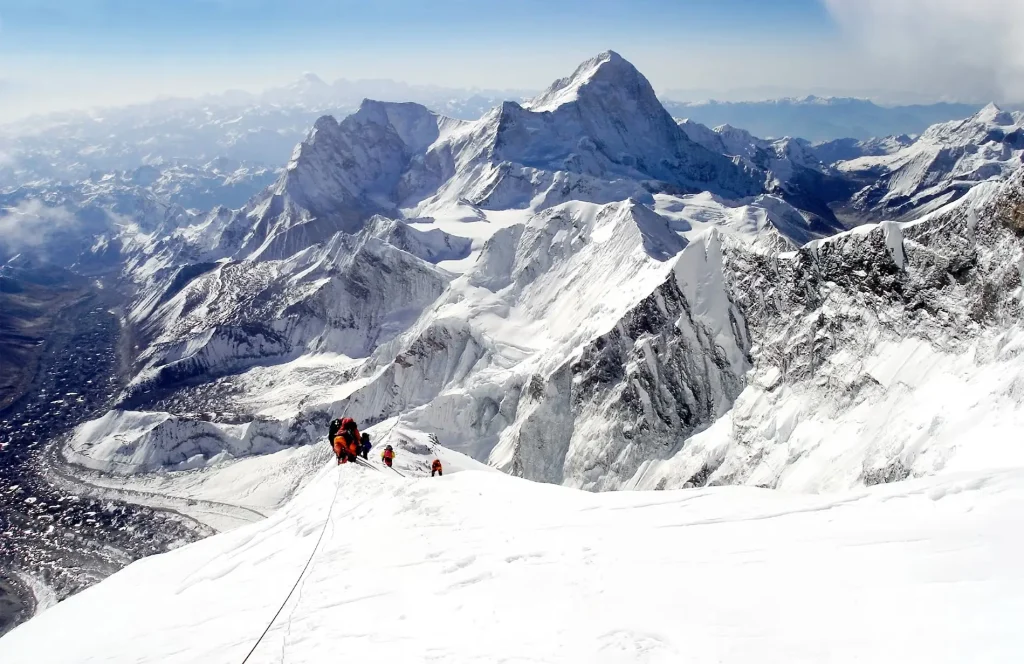
The first reason why Nepal is trying to enforce the 7000 m rule in Everest is because of the famous 2023 deaths. In 2023, 17 climbers died during the 2023 season. Likewise, the picture of the long queue in the deathzone caused Nepal to face huge backlashes in the global community. The 2019 photos have reminded the climbing community in Nepal how an increasing number of people without proper experience are trying to summit experience. The queues seriously risk the lives of these climbers. Additionally, Mount Everest is increasingly getting dirty as the number of climbing expeditions increases. Hence, Nepal is trying to increase the cost of climbing to Everest from $11000 to $15000 and a 7000 m peak to restrict access. Nepal has already enforced a new waste rule in Everest in 2026, the recent climbing season rule requires each team member from Everest Climbing group to bring 2kg of waste from camp 3 and higher excluding the oxygen bottles and excrements. This is an additional rule because climbers are already required to deposit 8 kg of waste as per law. Likewise, Sagarmatha Pollution Control committee (SPCC) has prevented use of personal WAG bags for waste collection and climbers are only allowed to use committee provided bags. Thus, the rules have been put in place to reduce deaths, prevent crowding and clean the mountain.
Which peaks in Nepal qualify if the new Everest Rule is passed?
Nepal has 86 peaks above 7000m which are open for summit. The climbers can choose to summit both less climbed and frequently climbed mountains. Baruntse Expedition Nepal and Himliung Himal expedition are the most frequented 7000 m peak among mountaineers inside Nepal. If the law is passed before Autumn this year it’s best to climb the 7000m peak in the autumn climbing season in Nepal and apply for Everest Expedition in Spring. In addition, the permit costs are 50% cheaper in autumn than spring climbing season in Nepal. The table below shows the 7000m peak expedition you can make before climbing Everest.
| S.N. | Peak | Altitude | Climbing Difficulty | Duration | Full package cost (Estimated in USD) |
| 1. | Baruntse | 7129 m | Moderate | 25 to 30 days | $ 8000 – $ 12000 |
| 2. | Himlung Himal | 7126 m | Easy – Moderate | 25 to 28 days | $ 7500 – $ 11000 |
| 3. | Putha Hiunchuli | 7246 m | Moderate | 28 to 32 days | $ 9000 – $ 13 000 |
| 4. | Pumori | 7161 m | Technical (Closet similarity to Everest climb | 30 to 35 days | $ 12000 – $ 18000 |
| 5. | Gangapurna | 7455 m | Technical | 30 to 35 days | $ 11000 – $ 16000 |
Conclusion
The 7000 m Everest rule is passed by only one assembly and house of the government. There is a slim chance the rule may not pass as it is by the lower house of Nepal. However, it’s best to prepare for the possible 7000 m Everest rule and climb the 7000 m high peak in Nepal rather than missing the chance to Mount Everest Climbing Package. Additionally, Nepal peak climbing of 7000 m peaks before Everest prepares mid levels and even professionals for technical climb of Hilary Step and Khumbu Icefall. Contact Trekers Nepal for Nepal Peak climbing packages today.
Feels like sharing this blog to your circles?


Comments 0