


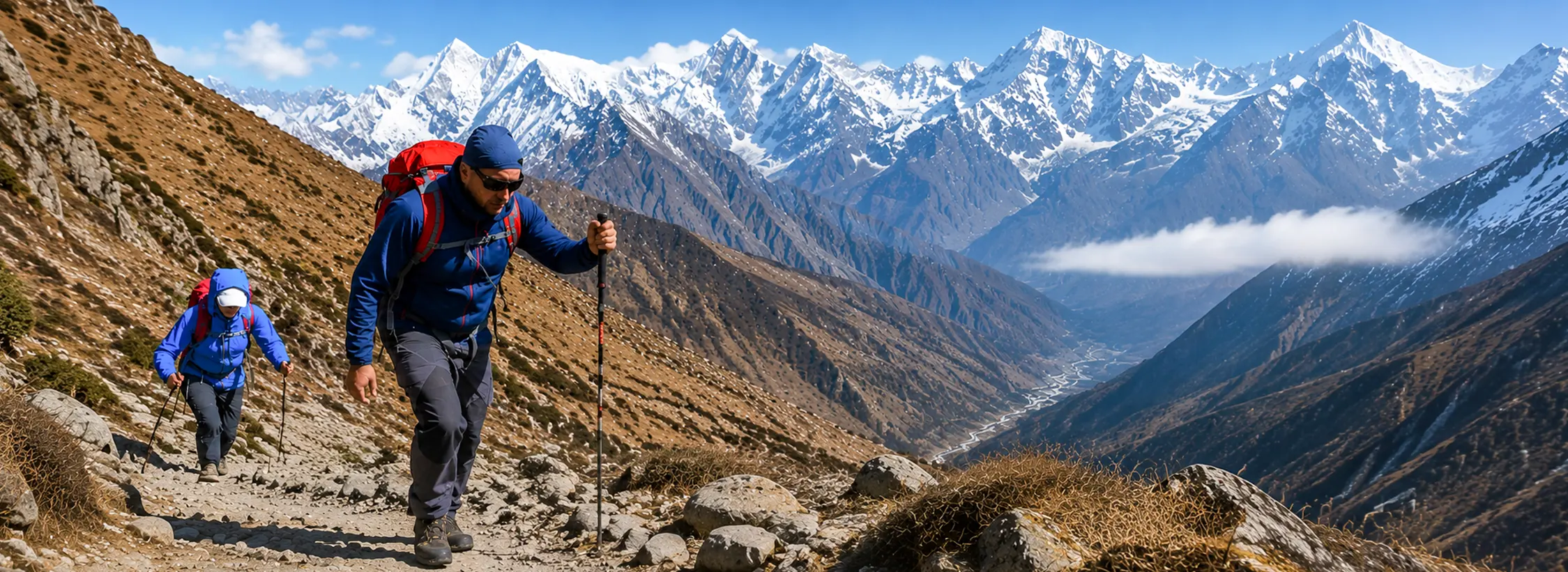
If you are planning a high-altitude adventure, Nepal is definitely the primary destination for you. The country is home to many trekking destinations that take you to the lap of towering peaks in the Himalayas. Destinations like Everest Base Camp, Annapurna Base Camp, Mardi Himal Base Camp, and many other locations reward you with spectacular mountain views, beautiful trails, and the refreshing experience of the Himalayas.
However, these high-altitude regions also challenge adventurers with altitude sickness. Altitude sickness is one of the most common difficulties experienced by high-altitude travelers. As you gain elevation, the air pressure drops significantly, due to which your body can’t get enough oxygen and starts to show symptoms. This is concerning, as it poses a life-threatening risk if not managed on time.
In this blog, we explain what altitude sickness is and why it occurs in high-altitude regions like Nepal. Its common symptoms and prevention tips for trekkers or high altitude explorers are also explained.
What Is Altitude Sickness?
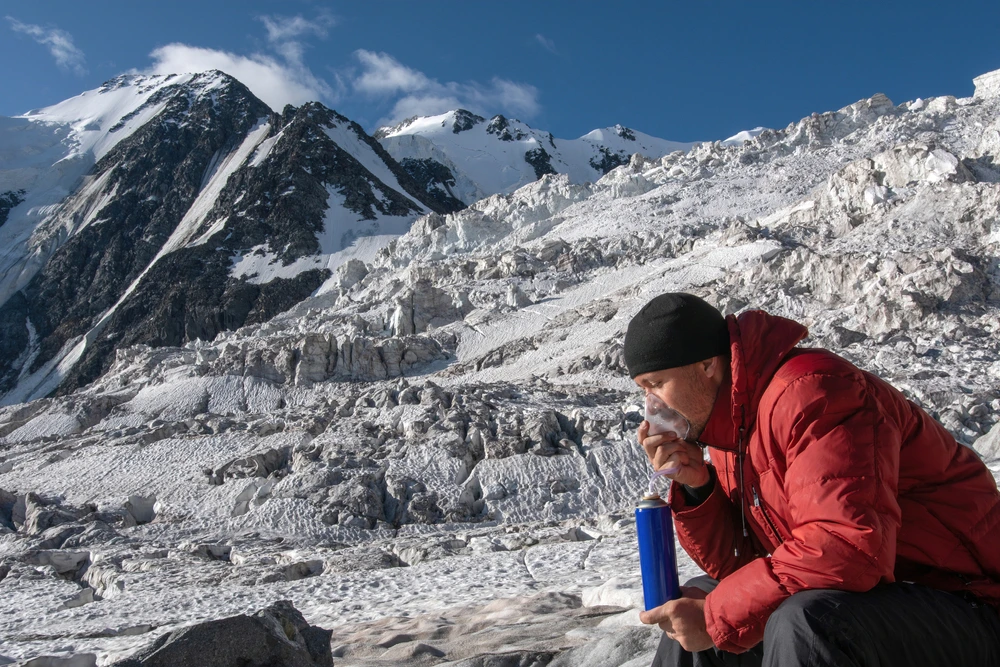
Altitude sickness is the body’s reaction to a high-elevation atmosphere. It occurs when one climbs to high altitudes quickly and is exposed to the thinner atmosphere. As the atmospheric pressure is low, you do not breathe the same amount of oxygen that you breathe at normal elevation. Due to the difference in oxygen levels, your body faces difficulties coping with altitude change and starts to show symptoms like headache, nausea, shortness of breath, and fatigue.
Altitude sickness is categorized into three types, which are :
- Acute Mountain Sickness (AMS)
- High Altitude Pulmonary Edema (HAPE)
- High Altitude Cerebral Edema (HACE)
Acute Mountain Sickness (AMS) is a mild and common type of altitude sickness, which is typically experienced at 2500 m above sea level. High Altitude Pulmonary Edema (HAPE) is a serious condition that affects your lungs due to the formation of fluid. Meanwhile, High Altitude Cerebral Edema (HACE) is the most severe form of altitude sickness, which causes the brain to swell.
Altitude illnesses are preventable by following proper acclimatization, hydration, maintaining a pace, and taking preventative medication before going to high-altitude destinations.
Common Symptoms of Altitude Sickness
As you are being exposed to a high-altitude region during trekking, mountaineering, or traveling, the risk of altitude sickness rises. Meanwhile, the symptoms of altitude sickness depend on the type of sickness you are experiencing. In case of Acute Mountain Sickness (AMS), the symptoms can be mild to moderate. Meanwhile, the situations of HAPE and HACE show severe and life-threatening symptoms.
Mild to Moderate Symptoms
The mild to moderate symptoms of altitude sickness include headache, nausea, vomiting, loss of appetite, and dizziness. You may also experience fatigue, exhaustion, weakness, and difficulty in sickness. These symptoms are common within 6 to 24 hours of exposure to high altitude and can be managed with proper rest, acclimatization, medication, and returning to low elevation.
Severe, Life-Threatening Symptoms
In case of HAPE and HACE, one may face severe life-threatening symptoms, including
- Difficulty in breathing even while resting
- Chest tightness and a constant cough
- Hallucination and limited thinking ability
- Loss of balance
- Severe exhaustion and limited movement
- Bluish lips or fingernails
In case of these symptoms, immediate descent and seeking medical attention are critically important.
How to Prevent Altitude Sickness During Nepal Treks
When you are trekking or involved in a high-altitude adventure, like mountaineering in Nepal, following preventative measures is important to minimize the risk of altitude sickness. The risk of altitude sickness can be prevented by following proper acclimatization, maintaining gradual pacing, hydration, and fitness, and taking medications.
Fitness and Support
Fitness is important to prepare your body to navigate the high-altitude trekking regions in Nepal. For destinations like Annapurna Circuit treks and Everest Base Camp treks, physical fitness is a must. However, supports such as gear, experienced guides, and logistical support are critical for progressing safely with a maintained pace to avoid altitude sickness.
Hydration and Diet
Hydration and diet are important for adjusting your body effectively and efficiently to high-altitude conditions. Drinking plenty of fluids and having nutritious and light food with high carbohydrates can be helpful in helping your body cope with a high-altitude region. Also, avoiding heavy and junk foods, alcoholic beverages, and smoking can help prevent symptoms of altitude sickness.
Acclimatization and Pacing
Acclimatization and pacing are most important when trekking in the high-altitude regions of Nepal. It is important to adjust and adapt your body to a high-altitude atmosphere. Resting properly during acclimatization at key stops for single or multiple days decreases the risk of altitude sickness. Proper pacing when ascending is important to adapt your body slowly to higher altitudes. It is important to avoid gaining more than 500 meters in altitude daily above 3,000 m.
Medications
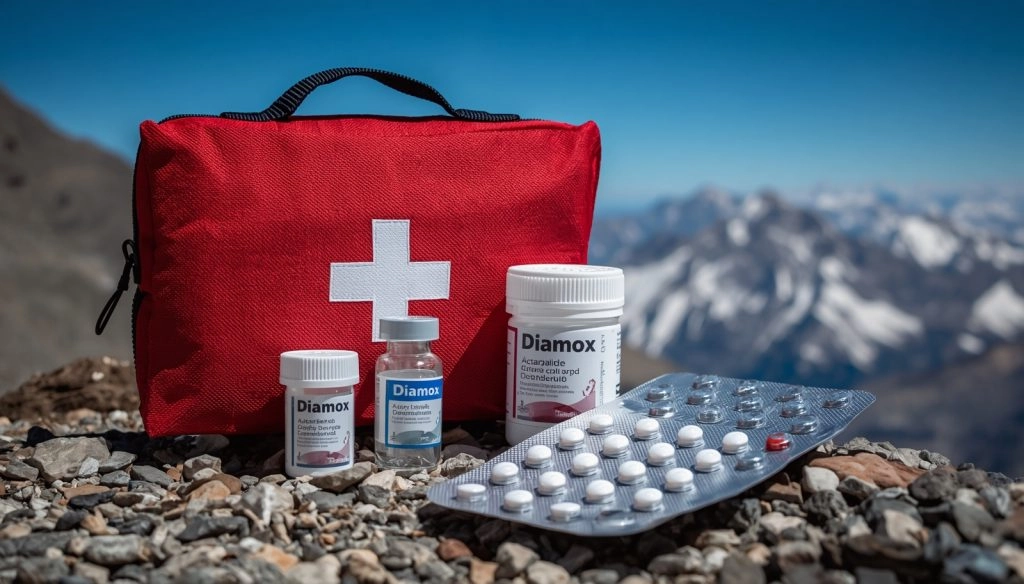
Medication can help to manage or prevent symptoms of altitude sickness. Medications like Acetazolamide (Diamox), Dexamethasone, and Nifedipine are used to treat or delay the complications of high altitude sickness. However, it is important to consult with a physician or doctor to get prescribed altitude medication for your safety.
When Should You Descend?
If you are experiencing the symptoms severely even after following altitude sickness prevention methods, then you must consider descending. You mustn’t ignore symptoms at high altitude and descend in case of the following:
- You experience a severe and persistent headache
- Facing difficulty in breathing even during rest
- Facing confusion and hallucination
- Continuous vomiting and inability to drink and eat
- Rapidly degrading conditions
Descending for 500m to 1000 m can significantly improve your condition. In a severe case, you must descend and seek timely medical attention.
Conclusion
Altitude sickness is one of the common conditions you may encounter when trekking in the high-altitude region of Nepal. Trekking in high-altitude regions and mountaineering without proper acclimatization, inappropriate pacing, and lack of diet and hydration trigger the symptoms of altitude sickness. When trekking or adventuring in a high-altitude region, considering proper acclimatization and maintaining proper pace, rest, and hydration are important. Also, managing symptoms of altitude sickness through descent, proper rest, and medication is important.
Contact Trekkers Nepal if you are planning a high-altitude adventure in Nepal by trekking or expedition. Trekkers Nepal provides well-planned and personalized itineraries with expert guides, proper preparation, and acclimatization to ensure a low risk of altitude sickness while also making your adventure memorable.
Feels like sharing this blog to your circles?


Comments 0