


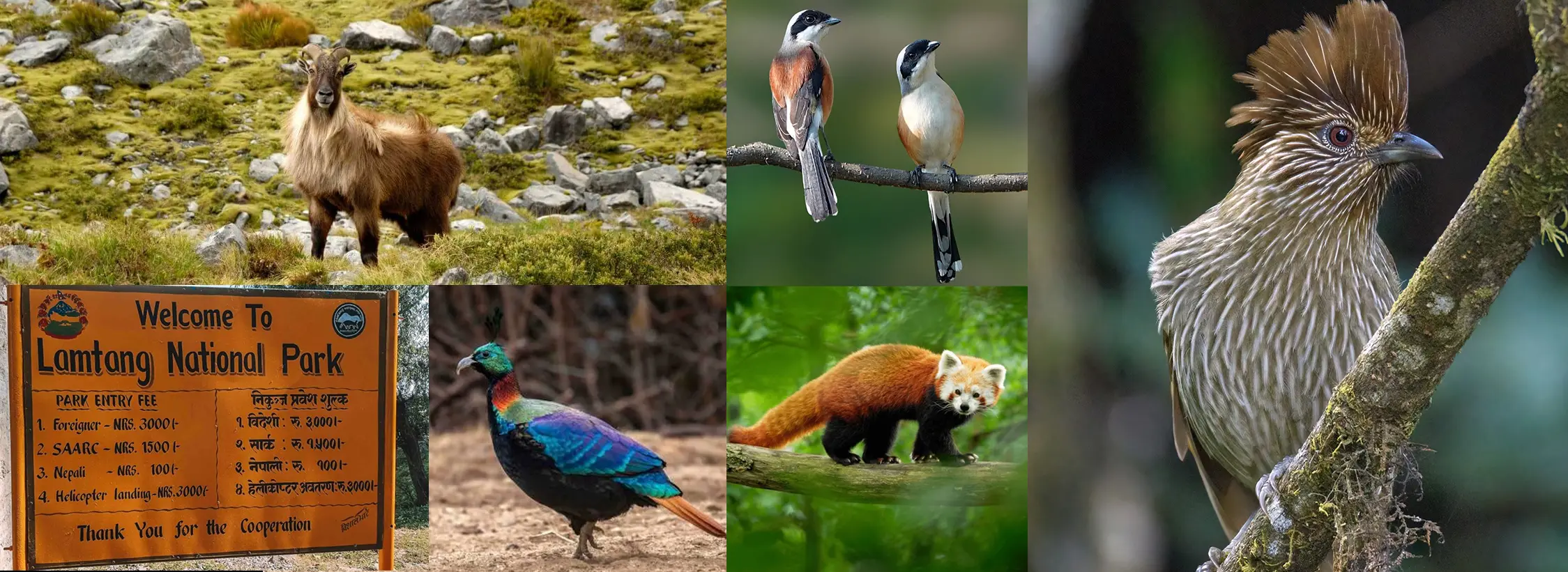
Langtang National Park offers everything you expect in the Himalayas. Views of the Himalayas, remote trails, alpine grasslands, high-altitude lakes, glaciers, ancient monasteries, an ancient village, and an experience of local culture are all you will get.
Langtang, the first Himalayan National Park, has a wide variety of protected flora and fauna. You might also come across endangered Red Panda, Himalayan Tahr, and Musk Deer.
Whether you want to explore nature and rich biodiversity or sip Himalayan butter tea and learn about local culture, this trip is for you. Understanding permits, trekking routes, wildlife, and regulations will prepare you for a safe and wonderful trip. You will learn about this here;
What is Langtang National Park?
The Langtang National Park was established in 1976 as Nepal’s first Himalayan national park and the country’s fourth protected area. It covers an area of 1,710 square kilometres. It stretches across the districts of Rasuwa, Nuwakot, and Sindhupalchok, and shares its northern border with Tibet (China).
The park protects diverse landscapes, from subtropical forests at lower elevations to glaciers and towering Himalayan peaks above 7,000 metres. Diverse ecosystems support rare wildlife and unique plant species.
If you are a nature lover, wildlife enthusiast, or adventure traveller, the park is definitely for you.
Significance
Langtang National Park was established to conserve the fragile Himalayan environment. The national park protects wild varieties of flora and fauna. It also conserves the cultural heritage of the Langtang region.
The park gained international recognition for its exceptional biodiversity and its importance as a habitat for endangered species such as the Red Panda and Snow Leopard. It also preserves centuries-old Buddhist traditions, monasteries, and Tamang settlements.
Langtang Trek Highlights
- Witness majestic views of Langtang Lirung (7,227 m) and other stunning Himalayan peaks.
- Visit Kyanjin Gompa, a centuries-old Buddhist monastery surrounded by mountains.
- Hike to high-altitude viewpoints Kyanjin Ri (4,773 m) or Tserko Ri (4,984 m) for breathtaking views.
- Discover the sacred and stunning Gosainkunda Lakes surrounded by high-altitude peaks.
- Experience the rich culture and warm hospitality of the Tamang and Hyolmo communities.
- Walk through rhododendron, oak, pine, bamboo, and fir forests rich in Himalayan flora.
- Spot rare wildlife, including the Red Panda, Snow Leopard, Himalayan Black Bear, Musk Deer, and Himalayan Tahr.
- Observe over 250 bird species, including the colourful Himalayan Monal, Nepal’s national bird.
- Enjoy comfortable tea house trekking with authentic local cuisine and mountain hospitality.
- Choose from a variety of trekking routes, including the Langtang Valley Trek, Gosainkunda Trek, Helambu Trek, and the challenging Ganja La Pass Trek.
Langtang Valley Trek | 10 days
FromUS$ 690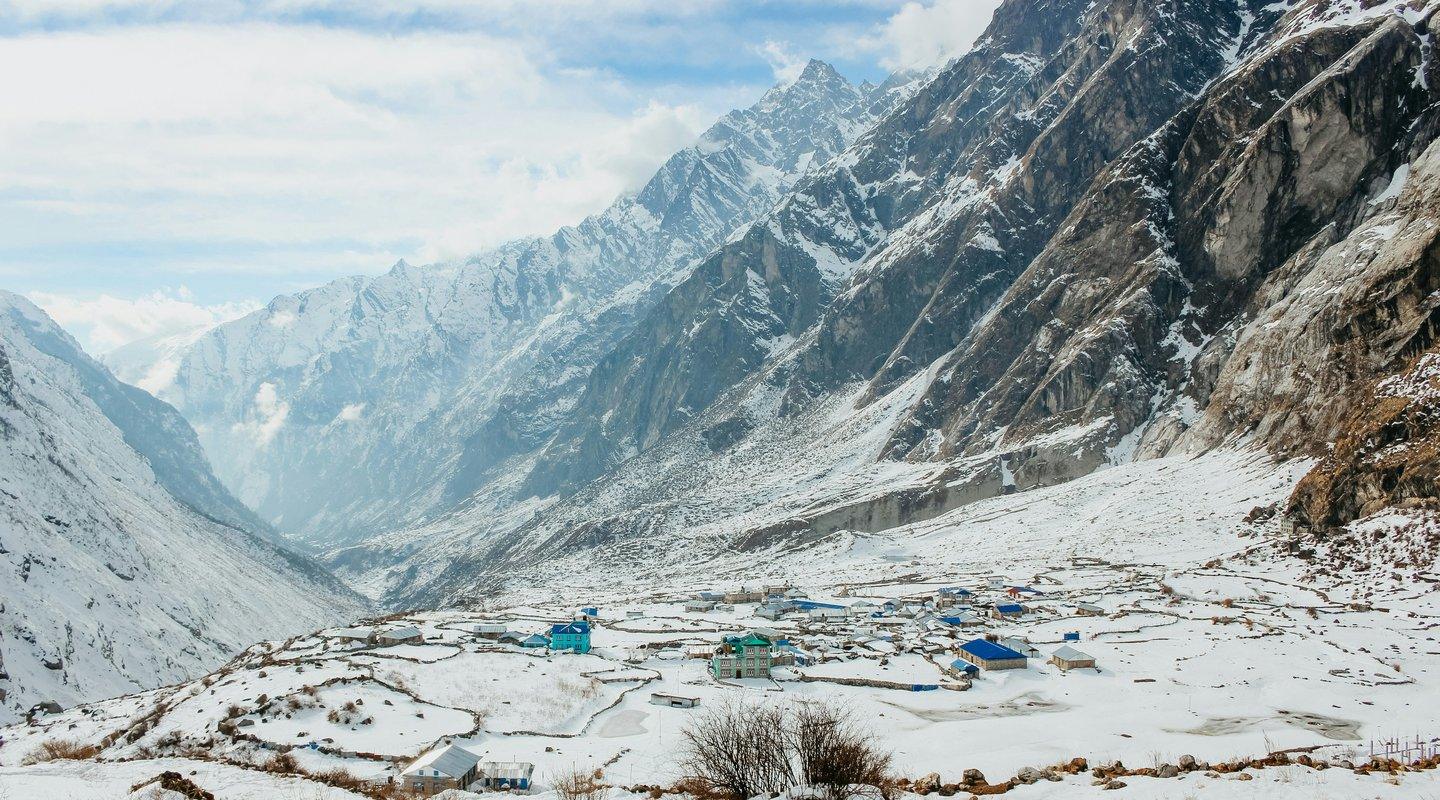
Trekking Routes Inside Langtang National Park
Langtang Valley Trek (7–10 Days)
Langtang Valley Trek begins from Syabrubesi and ends at Kyanjin Gompa. You will get to enjoy stunning views of Langtang Lirung, a 7,234-metre mountain peak, glaciers, and hike to Kyanjin Ri or Tserko Ri for a beautiful Himalayan scene.
Gosainkunda Trek (5–7 Days)
This route leads to the sacred Gosainkunda Lakes, surrounded by many high peaks. You will see rhododendron forests along the trail. It is an important Hindu and Buddhist pilgrimage site.
Helambu Trek (5–8 Days)
The trek takes you to traditional Hyolmo villages. It is ideal for those seeking cultural experiences and moderate hiking. The trail passes through ancient monasteries and mountain viewpoints.
Langtang Valley & Gosainkunda Trek (12–15 Days)
This combined trek involves both the Langtang Valley and Gosaikunda trek. First, the Langtang Valley is explored before continuing to sacred Gosaikunda Lake.
Ganja La Pass Trek (14–18 Days)
It is a high-altitude trek that crosses Ganja La Pass (5,122 m). You can see a magnificent view of the Langtang Himal and surrounding peaks.
Permits
All visitors entering Langtang National Park must obtain the required permits before starting their trek.
Langtang National Park Entry Permit
Permit Fees (2026)
- Foreign Nationals: NPR 3,000 per person
- SAARC Nationals: NPR 1,500 per person
- Nepali Citizens: NPR 100 per person
- Free for children under 10
Trekkers’ Information Management System (TIMS) card is also required. If you book through a registered trekking agency, they will get a group card for you.
Wildlife of Langtang National Park
If you are a wildlife enthusiast, Langtang National Park is paradise for you. It is one of Nepal’s richest wildlife habitats, supporting more than 45 mammal species and over 250 bird species.
Some of the park’s most famous animals include:
- Red Panda
- Snow Leopard (rarely seen)
- Himalayan Black Bear
- Himalayan Tahr
- Musk Deer
- Wild Dog
- Assamese Monkey
- Grey Langur
Birdwatchers can also spot:
- Himalayan Monal (Nepal’s national bird)
- Blood Pheasant
- Snow Partridge
- Golden Eagle
- Lammergeier (Bearded Vulture)
Best Time to Visit
Langtang National Park can be visited throughout the year, but the experience varies by season.
Spring (March–May)
Spring is one of the best times to trek because of clear mountains, blooming rhododendrons, and comfortable temperatures. There is an excellent chance of viewing wildlife in this season.
Autumn (September–November)
Autumn offers stable weather, clear skies, dry trekking, and excellent visibility, making it one of the most favorable seasons.
Winter (December–February)
Winter brings peaceful and snow-covered landscapes. Mountains look heavenly. If you are an adventure seeker, you can trek in this season.
Monsoon (June–August)
Rainfall makes the trail wet. So, it is the least favourable season. But it is quite cheaper to trek in this season.
Is a Guide Mandatory?
As of the latest trekking regulations, most foreign trekkers are required to hire a licensed guide when trekking in Nepal’s national parks and trekking regions, including Langtang. Regulations can change, so it’s important to verify the current requirements before your trip.
Hiring a licensed guide is highly recommended because they can:
- Assist with permits and park entry.
- Navigate trails safely.
- Provide information about local culture and wildlife.
- Help in emergencies and altitude-related situations.
- Support local communities through responsible tourism.
If you book with a registered trekking company, guide services are typically included in the trekking package.
Explore Langtang National Park with Experienced Local Guides
Langtang National Park, the high-altitude Himalayan conservation area, provides you with many options. Whether you’re planning a short Himalaya walk, the classic Langtang Valley Trek, or a longer journey to Gosainkunda, travelling with an experienced local team ensures a safer, smoother, and more rewarding adventure.
Contact us today to plan your Langtang National Park trek, arrange permits, and explore one of Nepal’s most remarkable Himalayan destinations with confidence.
Frequently Asked Questions (FAQs)
1. How many days do you need for Langtang National Park?
Most treks last between 5 and 15 days, depending on the route. The classic Langtang Valley Trek typically takes 7-10 days.
2. What permits are required?
You need a Langtang National Park Entry Permit, and depending on current regulations, you may also need a TIMS Card.
3. Can beginners trek in Langtang National Park?
Yes. The Langtang Valley Trek is suitable for beginners with a reasonable level of fitness, although proper acclimatisation is important.
4. What is the highest point on the Langtang Valley Trek?
Most trekkers hike to Kyanjin Ri (4,773 m) or Tserko Ri (around 5,000 m) for panoramic Himalayan views.
5. Can I see a Red Panda?
Yes, Langtang National Park is one of the best places in Nepal to find Red Pandas, although sightings are rare due to their shy nature.
6. Is altitude sickness a concern?
Yes. Since many trekking routes exceed 3,000 metres, gradual ascent, proper hydration, and acclimatisation are essential.
Feels like sharing this blog to your circles?


Comments 0