


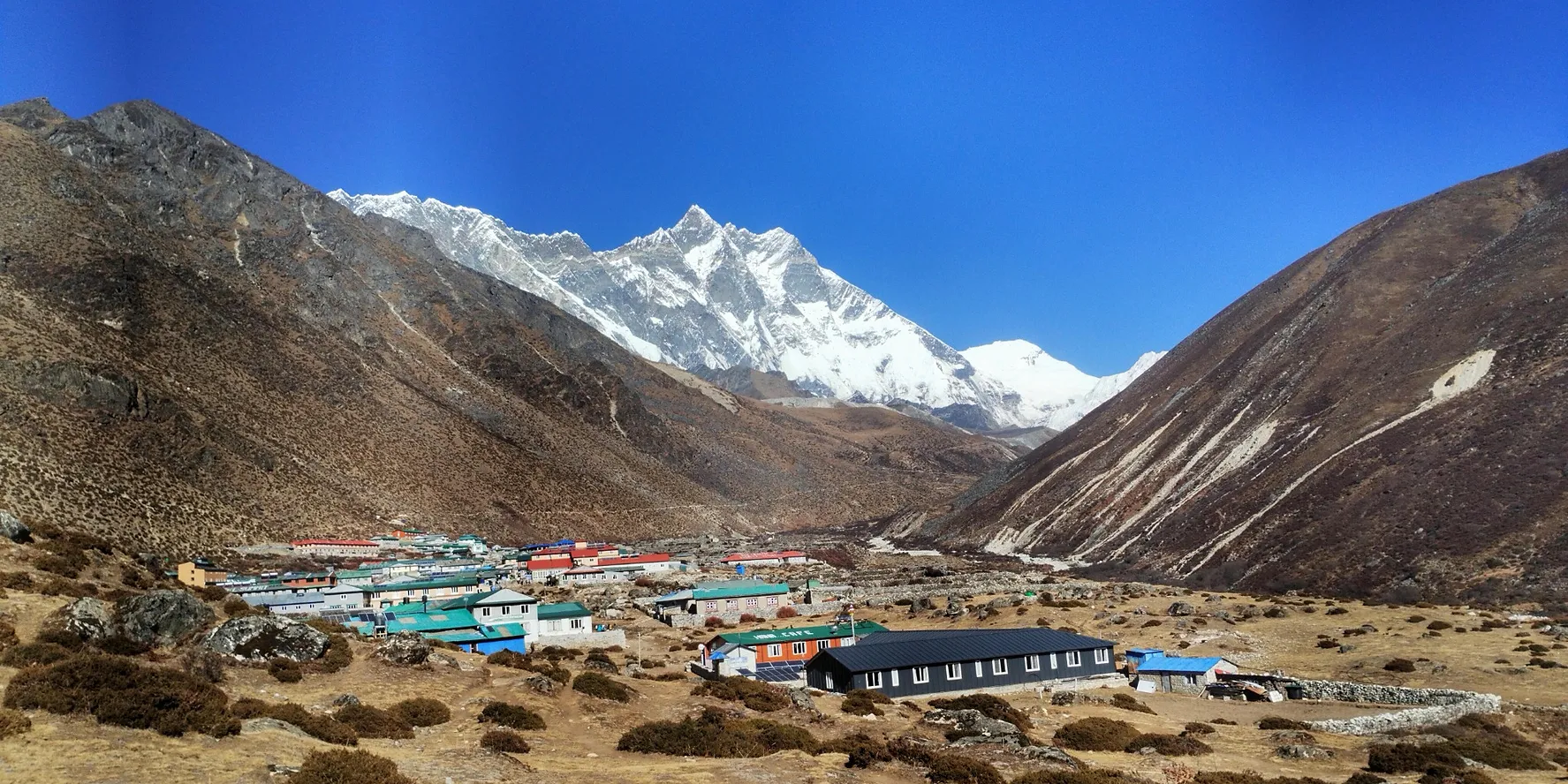
Dingboche is a high-altitude Sherpa village sitting at 4,410 m (14,470 ft) in Nepal’s Imja Khola Valley. It is an important acclimatization stop on both the Everest Base Camp and Three Passes trekking routes. You will find yourself in a wide alpine valley dotted with stone-walled fields and traditional houses, standing on the beautiful backdrop of snow-covered Himalayan peaks, including Ama Dablam (6,812 m), Lhotse (8,516 m), and Makalu (8,485 m). Ama Dablam is known for its distinctive pyramid shape and is one of the most recognisable mountains in the Everest region.
This guide explores top things to do in Dingboche, altitude and acclimatization tips.
Top Things to Do in Dingboche
Dingboche is more than just an overnight stop on the Everest Base Camp trail. Its surrounding landscapes offer several activities that allow trekkers to explore the region.
1. Hike to Nangkartshang Peak
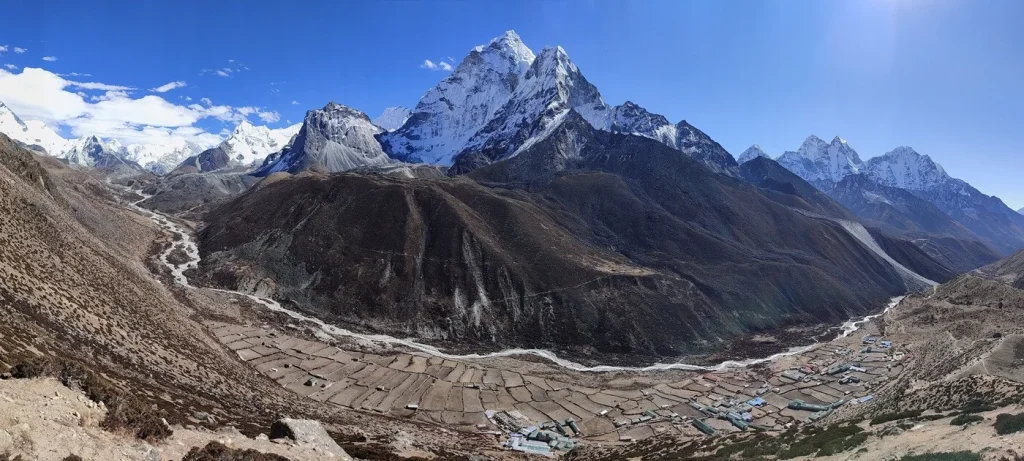
Hiking to Nangkartshang Peak, also known as Nagarjun Hill, is one of the most popular activities in Dingboche. The trail climbs steeply from the village to an elevation of approximately 5,060-5,083 metres. Although the hike can be physically demanding because of the altitude, it rewards trekkers with spectacular views of Ama Dablam, Makalu, Island Peak, and surrounding Himalayan peaks. It is also a popular acclimatization activity. Trekkers can follow the principle of climbing higher during the day and returning to sleep at a lower elevation in Dingboche.
2. Explore the Chhukung Valley
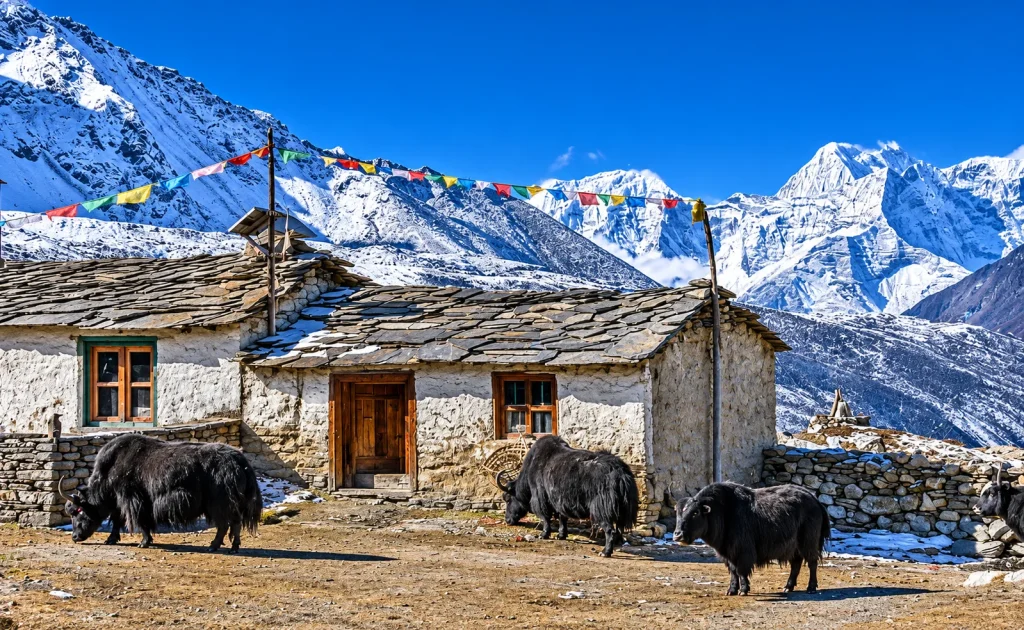
Another way to enjoy Dingboche’s natural beauty is to explore the trail towards Chhukung. This small settlement lies at approximately 4,730 metres and serves as a gateway for Island Peak climbing and the Three Passes Trek. The trail follows the Imja Valley, offering impressive views of rocky mountain slopes, glaciers, and snow-covered peaks. You can enjoy a shorter walk towards Chhukung depending on your energy level and acclimatization plan.
3. Experience Sherpa Culture and Village Life
Take some time to explore Dingboche village and observe their traditional lifestyle. One of its most distinctive features is the network of stone walls surrounding agricultural fields.
These walls protect crops such as potatoes, barley, and buckwheat from strong winds and grazing animals. You can also find traditional Sherpa houses, Buddhist prayer flags, mani walls, and small stupas throughout the area.
4. Relax in Local Teahouses
After a long day of trekking, spend some time relaxing in one of Dingboche’s cosy teahouses. Enjoy traditional Nepali dal bhat, Sherpa stew, garlic soup, or a warm cup of butter tea. You can also relax by interacting with fellow trekkers.
Altitude and Acclimatization Tips for Dingboche
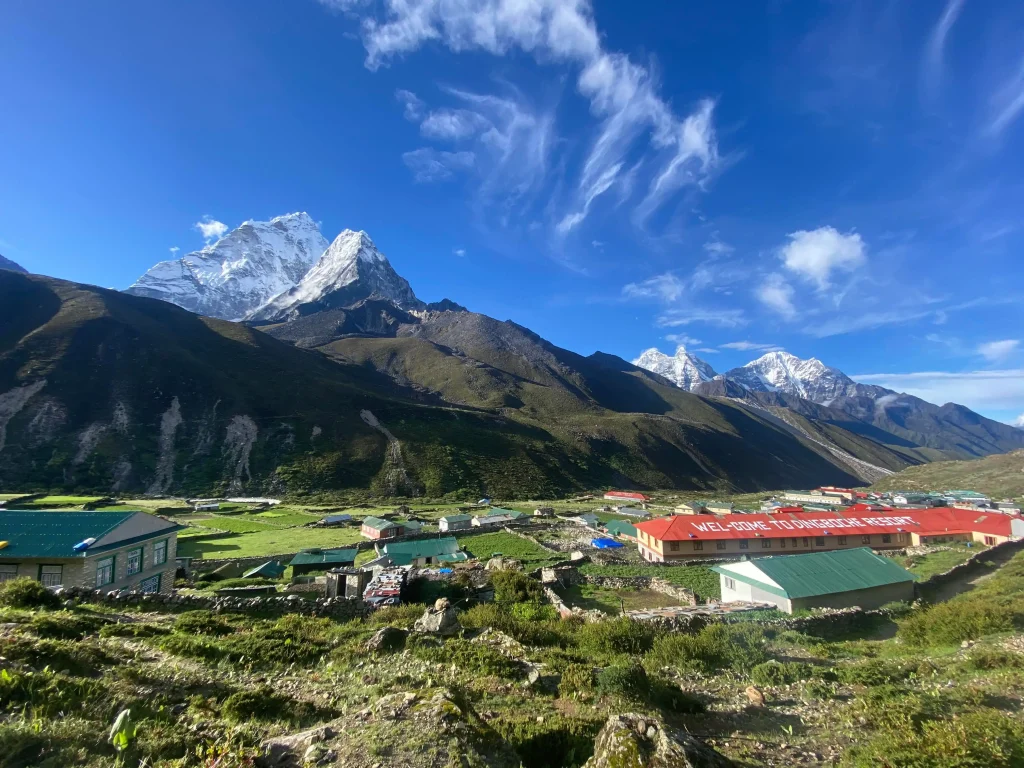
At 4,410 metres, Dingboche is significantly higher than most trekking destinations. The reduced oxygen availability can make even simple activities such as walking or climbing stairs feel exhausting. Most Everest Base Camp itineraries include one or two nights in Dingboche to help trekkers adjust to the altitude before moving towards Lobuche.
Keep these tips in mind during your stay:
- Walk slowly: Avoid rushing or engaging in intense activities. Maintain a comfortable pace while exploring the village.
- Stay hydrated: Drink sufficient water throughout the day and avoid alcohol, which can interfere with acclimatization.
- Follow a climb-high, sleep-low approach: If your guide recommends it, take an acclimatization hike towards Nangkartshang Peak and return to Dingboche to sleep.
- Recognise altitude sickness symptoms: Headaches, nausea, dizziness, and unusual fatigue can indicate altitude sickness. Inform your guide immediately if you experience these symptoms. Do not ascend with worsening symptoms.
- Dress in layers: Days can be sunny, but temperatures drop considerably after sunset. Carry warm clothing, gloves, a windproof jacket, and thermal layers.
Best Time to Visit Dingboche
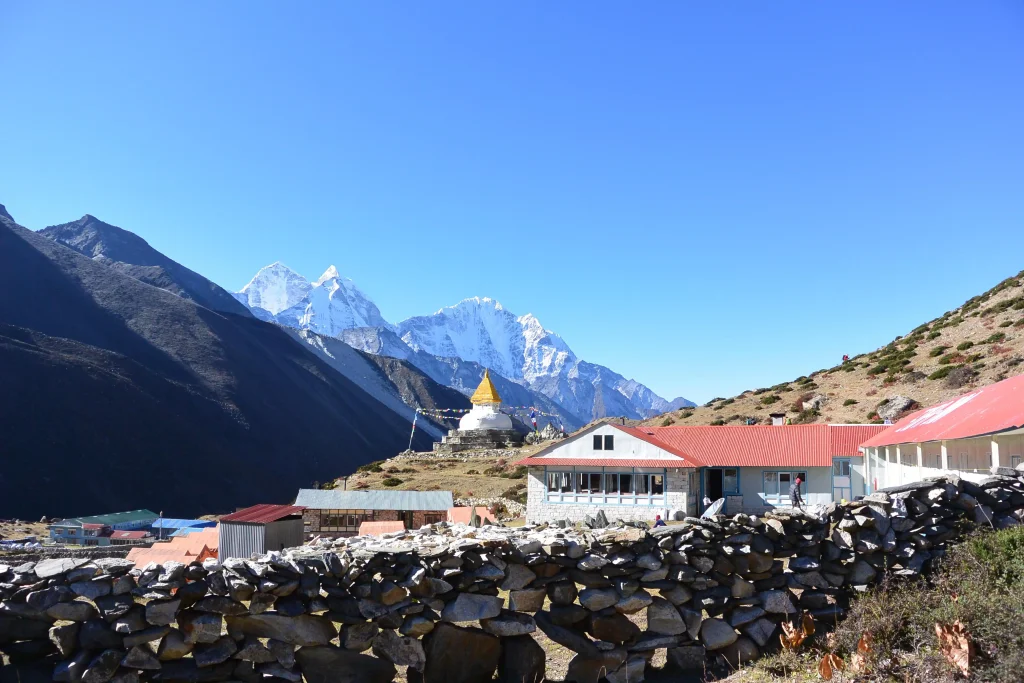
Spring (March to May) and autumn (September to November) are the best seasons to visit Dingboche. Spring brings stable weather, clear mountain views, and warmer daytime temperatures. Autumn is another excellent season, offering crisp skies and favourable trekking conditions after the monsoon.
Winter is extremely cold, with freezing nights and possible snowfall. The monsoon season brings cloudy skies, rain at lower elevations, and reduced mountain visibility.
Plan Your Everest Base Camp Trek with Trekkers Nepal
Dingboche is an essential part of the Everest Base Camp experience, offering breathtaking mountain views, opportunities for acclimatization, and a closer look at traditional Sherpa life. From hiking Nangkartshang Peak to enjoying peaceful evenings in local teahouses, the village gives you a chance to slow down and appreciate the beauty of the Himalayas.
Planning to experience the beauty of Dingboche and reach Everest Base Camp? Trekkers Nepal can help you plan your journey with experienced guides, carefully designed itineraries, and proper acclimatization days. Explore our Everest Region Trekking and start preparing for your Himalayan adventure!
Feels like sharing this blog to your circles?


Comments 0