


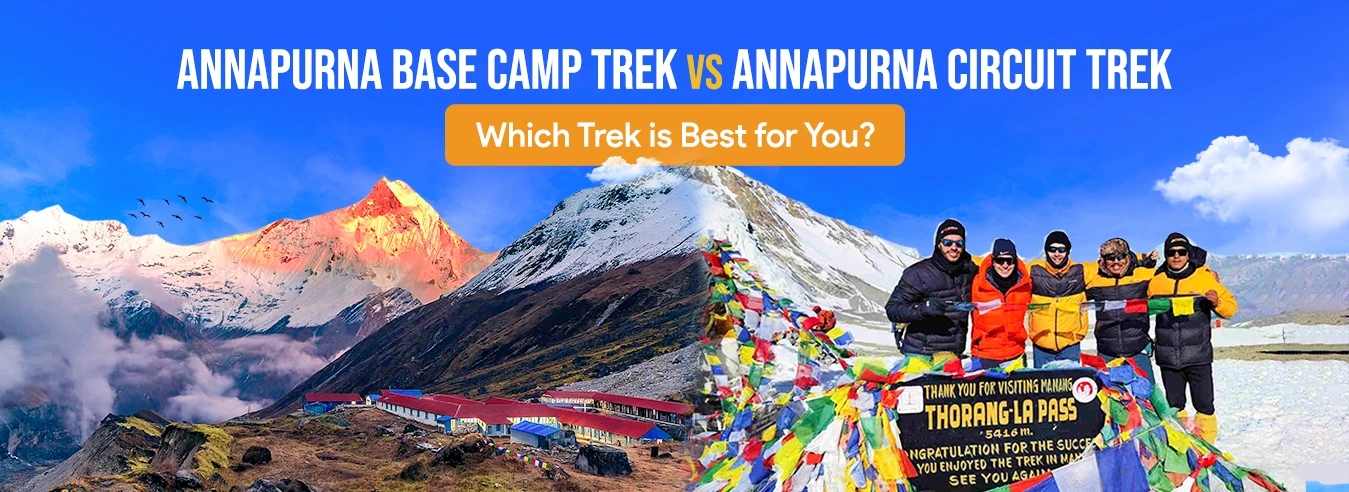
Nepal offers several trekking destinations that take trekkers to the lap of the Himalayas and provide lifelong memories and a true sense of adventure. Among those trekking destinations, the Annapurna Base Camp and Annapurna Circuit trek are popular and the most performed adventures. Both of the destinations are located in Nepal’s Gandaki province and let trekkers explore the beautiful Annapurna region.
Although both trek destinations take you to the Annapurna region of Nepal, you trek through different locations and routes, providing you with completely distinct experiences. The Annapurna Base Camp trek begins from Pokhara or Nayapul and takes you to the Annapurna Base Camp following a moderately difficult trek taking an average of 7 to 12 days. On the other side, the Annapurna Circuit trek starts from Besisahar or Bhulbhule in Lamjung and takes you to barren landscapes and the deep gorge of the Kaligandaki river via the challenging Thorong La Pass (5,416m). The Annapurna Circuit trek takes an average of 12 to 20 days and gives a diversified experience to the trekkers.
This blog explains the difference between the Annapurna Base Camp and Annapurna Circuit trek by comparing the overall difficulty, average distance, duration, and experience they provide to the trekkers. By the end, you will know which trek suits you so that you enjoy an adventurous journey as per your preference.
Annapurna Base Camp Vs Annapurna Circuit Trek Comparison
| Feature | Annapurna Base CampTrek (ABC) | Annapurna Circuit Trek(AC) |
| Average Distance | 110 to 115 Km depending upon route | 160 to 230 km depending upon route |
| Duration | 7 to 12 days | 12 to 20 days |
| Difficulty | Moderate | Moderate to Difficult |
| Max Elevation | 4,130 m, Annapurna Base Camp (ABC) | 5,416 m, Thorong La Pass |
| Daily Walking | 5 to 7 hours | 6 to 8 hours |
| Terrain | Stone-paved stair in lower region to subtropical forest and alpine glacial zones in the Himalayas | Trek from lush river valleys, stone steps following the Marsyangdi river, and high-altitude steep and rocky mountain passes to barren landscapes and the deep gorge of Kaligandaki in Mustang. |
| Acclimatization | Required | Very important |
| Best Season | Spring (March to May) and Autumn (September to November) | Spring (March to May) and Autumn (September to November) |
| Scenery Highlights | Close-up of Annapurna range, Machapuchare, Modi Khola Gorge, and beautiful Gurung villages in Ghandruk and Chhomrong | Close view of Annapurna, Dhaulagiri, high-altitude glacier, Thorong La Pass, Tilicho lake (Optional), Mustang landscapes |
| Starts from | Nayapul/Pokhara, Kaski | Besisahar or Bhulbhule, Lamjung |
| Crowds | More crowdy and busy during peak season | Comparatively less crowdy during peak season |
| Best For | Beginner and moderate-level adventurers who want to explore Himalayas, local culture, and relax. | Adventure seekers, experienced trekkers, and those who want to explore diverse landscapes from lush green foothills, alpine forests, high-altitude glaciers, challenging mountain passes, and dry landscapes. |
| Average Cost | $500 to $1,200 USD per person depending upon itinerary and trek organizer | $600 to $1,300 USD per person |
| Key Highlights | Annapurna Sanctuary, Machhapuchhre Base Camp, Ghandruk and Chhomrong village | Thorong La Pass, Muktinath, Manang, Kali Gandaki gorge |
| Permit Requirement | Annapurna Conservation Area Permit (ACAP), Trekkers Information Management System (TIMS) Card | Annapurna Conservation Area Permit (ACAP), Trekkers Information Management System (TIMS) Card |
Annapurna Base Camp Trek
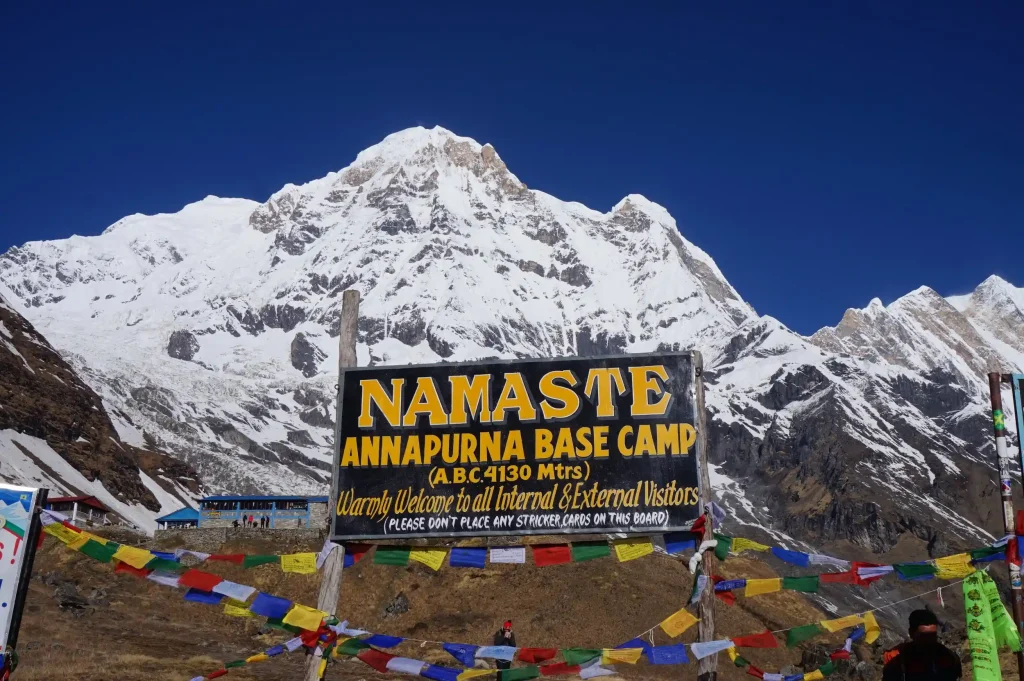
The Annapurna Base Camp trek is one of the most popular and moderately difficult treks that takes you to Annapurna Base Camp (4,130 m). This trek starts from Nayapul, near Pokhara, and passes through Modi Khola valley, Chhomrong, Bamboo, and Deurali to reach Annapurna Base Camp. You trek through dense rhododendron forest, following several ascents and descents, walking an average of 5 to 7 hours a day.
The ABC trek lets you explore local Gurung and Magar villages and learn about their way of living during your stay or accommodation. You acclimatize in Deurali (3,230 m) by taking proper rest and preparation to climb the steep ascent to reach the base camp.
The best seasons to perform the Annapurna Base Camp trek are during spring (March to May) and autumn (September to November). These seasons give clear weather, less chance of rain, a vibrant atmosphere, and a favorable trekking climate.
Annapurna Circuit Trek
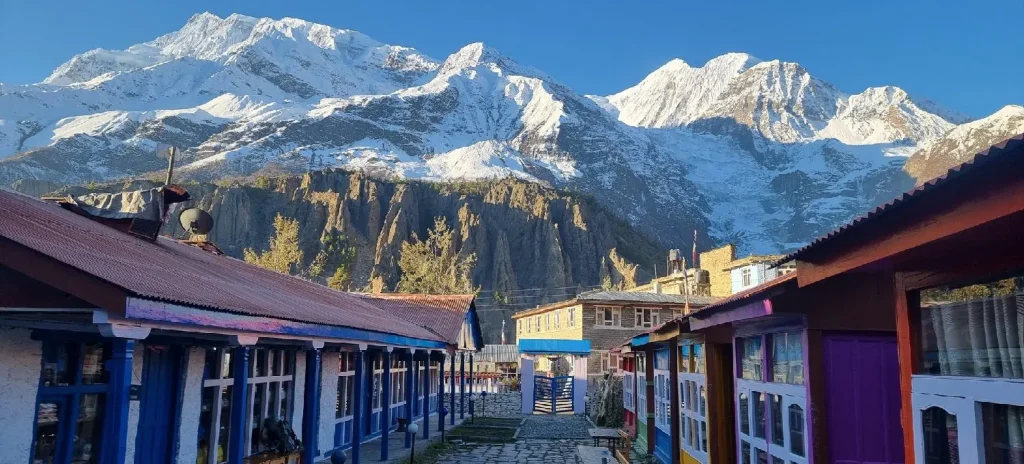
The Annapurna Circuit trek is a moderate to challenging trekking route that takes you to the challenging Thorong La Pass (5,416 m). This trek gives you a unique experience as it lets you explore diverse terrain from alpine forest, lush river valley, rocky mountain, dry high-altitude deserts, and deep gorge of Kaligandaki river. The Annapurna Circuit trek is lengthy in comparison to Annapurna Base Camp trek, as it takes an average of 12 to 20 days to cover a distance of 160 to 230 km, following 6 to 8 hours of average daily walking.
You begin the Annapurna Circuit journey via Beshisahar and head towards Chame, Upper Pisang, Manang, Tilicho base camp, Shree Kharka, and Thorong Phedi to reach the legendary Thorong La pass. After spending a few moments at Thorong La Pass, you head towards Muktinath, Kagbeni, Jomsom, and towards Beni.
During the journey you are accommodated in local teahouses and homestays following acclimatization in Manang (3,540m) or Yak Kharka (4,110m). Spring, from march to may and autumn, from september to November, are the best seasons to trek in the Annapurna Circuit. These seasons give vibrant temperatures, comfortable weather, clean trekking trails, and the best view of Himalayan landscapes.
Who Should Do the Annapurna Base Camp Trek?
The Annapurna Base Camp trek is ideal for beginner or first-time trekkers, trekkers with limited time, or those who require comfortable trekking in the Himalayan region of Nepal.
Beginners or first-time trekkers should choose the Annapurna Base Camp trek, as the trek is moderate and does not require technical skills. With basic physical fitness, one can comfortably trek while also experiencing the best Himalayan view of the region.
Similarly, the trek is best for individuals with limited time, as it takes an average of 7 to 12 days. Trekkers can manage these short time periods or perform within vacation days.
Trekkers trekking with families and older trekkers preferring managed trekking trails, comfortable experiences, and high-altitude trekking with views of Annapurna, Dhaulagiri, and Machhapuchhre should also do the ABC trek.
Who Should Do the Annapurna Circuit Trek?
Trekkers or adventure enthusiasts who want to experience challenging climbs, long-day adventures, and raw experiences should do the Annapurna Circuit trek.
Experienced trekkers must do the Annapurna Circuit trek, as it allows them to navigate through challenging high mountain passes, desert landscapes, and remote regions.
One seeking a long-day adventure exploring diverse landscapes should also choose the Annapurna circuit. It is because the Annapurna Circuit trek allows you to trek across lush alpine forests, high-altitude passes, the dry desert of mustang, and the Kali Gandaki gorge.
Also, trekkers willing to explore the religion and culture of the Annapurna region should prefer the Annapurna Circuit. This trek allows trekkers to explore rich Gurung culture and Thakali culture and explore ancient places, monasteries, chortens, and Mani walls. The trek also takes one to the holy Muktinath temple, a sacred Hindu and Buddhist pilgrimage site showing a beautiful example of religious harmony.
Permits Requirement
Trekking in the Annapurna Circuit and Annapurna Base Camp (ABC) requires a permit to legally trek in the region. You require an Annapurna Conservation Area Permit (ACAP) and Trekker Information Management System (TIMS) card to trek in both trekking routes. We provide cost details and validity information of permits in the table below:
| Permits | Cost | Where to Obtain | Validity |
| Annapurna Conservation Area Permit (ACAP) | NPR 3,000 for foreignersNPR 1,000 for SAARC nationals | Nepal Tourism Board.Registered trekking agency | Single entry, 30 days of trekking |
| Trekker Information Management System (TIMS) card | NPR 2,000 for foreignersNPR 1,000 for SAARC | Nepal Tourism Board (NTB) offices, Trekking Agencies’ Association of Nepal (TAAN) offices, or online through the E-TIMS system | Single entry |
Best Time to Visit
The best time to visit both the Annapurna Base Camp trek and the Annapurna Circuit trek is during spring and autumn. Meanwhile, monsoon and winter give challenges due to extreme weather to the trekkers.
Spring (March to May)
Spring season from march to may is the best time to perform ABC trek and Annapurna Circuit trek. The season is the best, as it gives vibrant temperatures, a low chance of rain, and clear skies. You trek in a lush rhododendron forest blooming in pink and red hues, making for a visually exciting moment.
Autumn (September to November)
Autumn, from September to November, is the ideal season to visit Annapurna Base camp and Annapurna Circuit. The season gives favorable trekking temperatures, clean and predictable weather, and stunning sunrise and sunset views in the Himalayan landscape.
Monsoon and Winter Considerations
Monsoon (June to September) and Winter (December–February) give challenging trekking routes to the trekkers. Monsoon increases the risk of slippery trails, landslides, floods, and high humidity, making the trek challenging. The poor visibility due to fog and rain spoils the view.
Meanwhile, winter challenges trekkers with cold weather, snow, and slippery icy trails. Winter also increases difficulty by increasing the chance of altitude sickness and weakness.
Conclusion
The Annapurna Base Camp trek and the Annapurna Circuit trek offer the best Himalayan experience by letting you explore the adventurous Annapurna region of Nepal. While the Annapurna Base camp trek is popular for comfortable and beginner-friendly trails, the Annapurna Circuit is known for challenging passes, glaciers, and diverse landscapes.
Choosing the best trekking destination depends upon your preferences. If you prefer comfortable trekking that requires fewer trekking days along with the best view of mountains like Annapurna, Dhaulagiri, and Machhapuchhre, Annapurna Base Camp is the best option for you. Meanwhile, if you love taking challenges through adventure in the high-altitude Annapurna region, mountain passes, and diverse landscape, taking additional days on the Annapurna Circuit can be the best choice for you.
Contact Trekkers Nepal for exploring Annapurna Base Camp or performing the Annapurna Circuit trek while ensuring comfort, safety, and a guided trek. Trekkers Nepal is an experienced and leading trekking company that provides well-planned itineraries and customized trekking packages to make your adventure memorable.
FAQs on Annapurna Base Camp Trek Vs Annapurna Circuit Trek : Which Trek is Best for You?
1. Is the Annapurna Circuit harder than ABC?
Yes, the Annapurna Circuit is comparatively higher and harder than the Annapurna Base Camp (ABC) trek. The Annapurna Circuit is considered a moderate to difficult trekking destination that requires you to walk through steep ascents and challenging passes. While the highest point of the ABC trek is 4130 m, the Annapurna Circuit requires you to reach an altitude of 5416 m, involving long hours of walking.
2. Which trek is more scenic?
Both Annapurna Base Camp and Annapurna Circuit offer scenic views of the Annapurna region. You get the best view of mountains like Annapurna, Machhapuchhre, Mardi Himal, and high-altitude landscape during the trek. But in terms of diverse views, the Annapurna Circuit trek gives you a unique view from the lush alpine forest in the foothills to the high-altitude pass and dry desert in Mustang.
3. Can beginners do Anthe Annapurnaircuit?
Yes, beginners can also perform the Annapurna Circuit trek if they are physically fit and mentally prepared. With proper trek preparation, following a well-planned itinerary, rest days, and acclimatization.
4. Which trek is affordable?
Annapurna Base Camp is more affordable, as it costs an average of $500 to $1200 USD per person in comparison to $600 to $1300 USD per person in the Annapurna Circuit trek. It is because the Annapurna Base Camp trek takes fewer days to complete, saving your expenses on extra days of accommodations.
5. How long does Annapurna Base Camp take?
The Annapurna base camp trekking days depend upon the trekking pace, package, and extras covered during the trek. On average, it takes 7 to 12 days to successfully complete the Annapurna Base Camp trek, including proper rest days and acclimatization stays.
Feels like sharing this blog to your circles?


Comments 0