
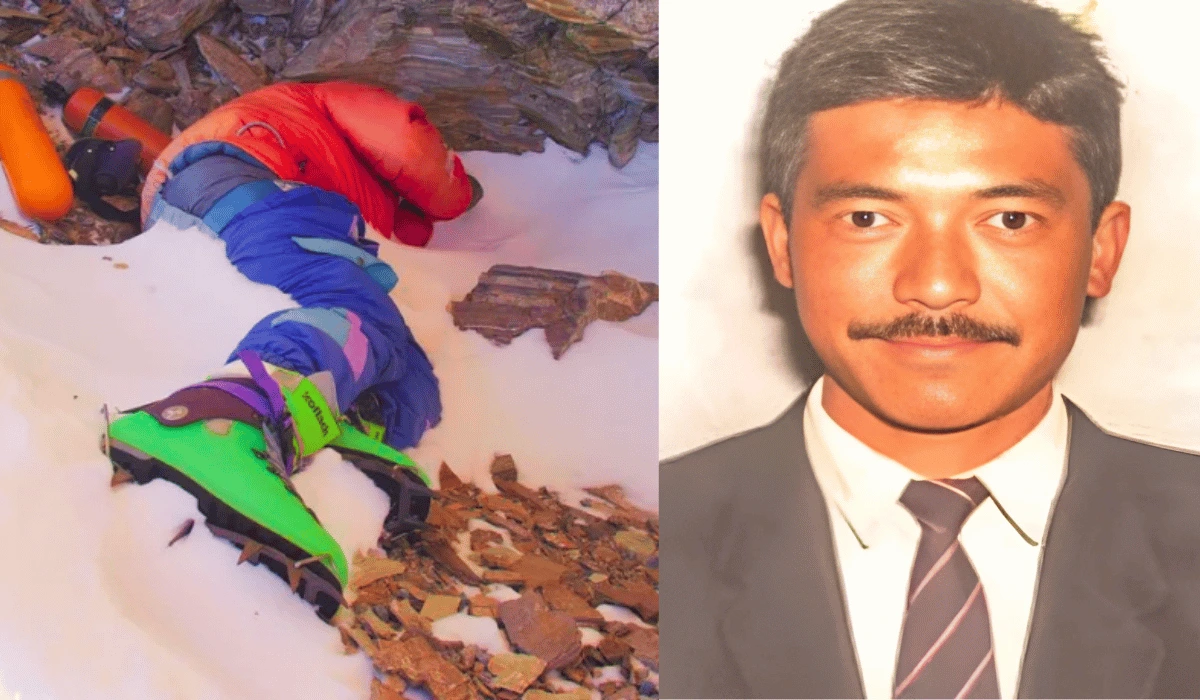
The beauty of Mount Everest (8848.86 m), the world’s highest mountain, attracts thousands of worldwide climbers and trekkers. It has become a dream destination for many adventure seekers to achieve the glory of conquering the highest point on Earth. However, apart from the magnificence and achievement, Everest has many tragic stories. Among those stories is one of the infamous tales of Green Boots, a climber who lost his life during descent. His body became a miserable landmark for years for climbers going up towards the summit.
This blog provides information about the Everest tragedy of 1996 and the changes it made in present climbing practices while also tributing the brave mountaineers who lost their lives in Everest summit, including the Green Boots.
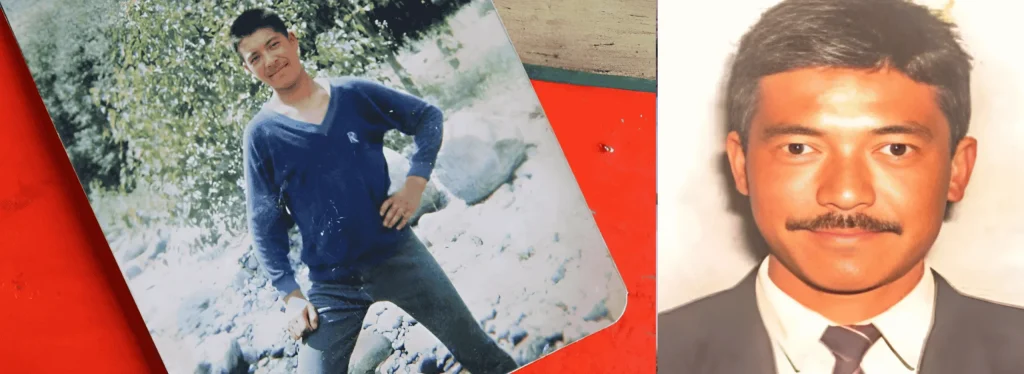
The Man Behind the Story: Tsewang Paljor
| Key Facts About Tsewang Paljor (Green Boots) | |
| Full Name | Tsewang Paljor |
| Known as | Green Boots of Mount Everest |
| Nationality | Indian |
| Age at Death | 28 years |
| Year of Expedition | 1996, Indo-Tibetan Border Police (ITBP) expedition |
| Date of Summit | 10 May 1996 |
| Everest Route | Northeast Ridge (Tibetan Side) |
| Approximate Location Found | Limestone cave at an altitude of 8,500 meters (Everest Death Zone) |
| Appearance | Bright green Koflach climbing boots |
| Role in Expedition | Rope fixing, route preparation, high-altitude support |
| Summit Status | Reportedly summited Everest (no photo evidence) |
| Last contact and appearance | Reported summit success on 10 may 1996 and last seen near a ridge above 8,700 m during descent |
| Cause of Death | Extreme cold, oxygen deprivation, severe weather |
| Historical Significance | Became a tragic landmark and navigational reference for climbers |
| Body Recovery Status | Reportedly moved in 2014 but reappeared on same spot on 2017 |
| Legacy | Mountaineering dream and sacrifice Everest’s risks |
There are several theories and claims regarding the Green Boots in a limestone cave at Northeast Ridge (8,500 m) of Everest. The most popular claim is that the body belongs to Tsewang Paljor, an Indian member of the Indo-Tibetan Border Police Expedition (ITBP) during 1996. The body was titled Green Boots because of the remarkably bright green Koflach climbing boots worn by the deceased climber.
During the Everest Expedition of 1996, Tsewang Paljor was only 28 years old. He played an important role in the expedition by helping the team in fixing ropes and supporting the team during the climb. The extreme weather event and low oxygen condition during the time separated him from his team leading to his tragic demise in the Everest Death Zone. His death remains the reminder of human tragedy for years in the Everest mountaineering history.
What is the Death Zone?
Everest death zone is the area located at an altitude above 8,000 meters. It is considered a death zone because the human body can’t survive there for a long time due to lack of oxygen, brutal weather, and high stress. These elements impact the climber’s physical and mental strengths by shrinking their thinking capacity and affecting physical strength.
| Everest Death Zone Overview | |
| Altitude range | Above 8,000 m |
| Oxygen level | 1/3rd of oxygen level on sea level |
| Weather condition | Severe with temperature dropping below – 40°C and strong wind |
| Survival limit | 16 to 20 hours |
| Key threats | Hypoxia, HACE/HAPE, Frostbite, Exhaustion |
| Common Fatalities | During descent |
| Location | Above Camp IV, Hillary Step, Rainbow Valley |
| Total deaths | Above 340 in record |
| Famous bodies | Green Boots and Sleeping Beauty |
The Deadly Reality of Everest’s Death Zone
The altitude above 8,000 meters is considered as Everest’s Death Zone. It is considered a death zone because the human body can’t survive there for a long time due to lack of oxygen, brutal weather, and high stress. These elements impact the climber’s physical and mental strengths by shrinking their thinking capacity and affecting physical strength.
More than 340 climbers have lost their lives on Everest Death Zone due to exhaustion, frostbite, and altitude sickness. The impossibility of conducting the rescue mission in the high altitude further makes the area risky. The body of the Green Boots was also found in the death zone inside a limestone cave, where he likely took shelter before his demise.
Everest Tragedy of 1996
The Everest Tragedy of 1996 took place on 10 May 1996, when eight mountaineers lost their lives during descent due to blizzard. The entire climbing season is known as “Everest 1996 Disaster “, the deadliest year on Everest, as many other climbers lost their lives due to violent weather, poor climbing decisions, and overcrowded routes.
Among many expedition teams in the 1996 may 10, the Indo-Tibetan Border Police (ITBP) was among the one which attempted to summit from the Northeast Ridge from Tibetan side. Tsewang Paljor was among the team members who set a goal to reach the summit along with Tsewang Smanla and Dorje Morup. The goal of the ITBP expedition was to mark the presence of India in high-altitude mountaineering.
While it is believed that Paljor and his climbing partner summited Mount Everest, communicating achievement through radio calls, their descent turned into a nightmare. Due to poor weather and storm, the three climbers separated from the team and never returned.
Green Boot: Everest Landmark
Following the storm, Tsewang Paljor was believed to have taken shelter under the limestone cave on the Everest and died later as his body was found there. His green boots later became a remarkable landscape in Everest’s northeast ridge as climbers used to mark their position mentioning the Green Boots. These incidents may shock you, but the fact is that the bodies of deceased climbers in the high altitude are nearly impossible to recover. It is because climbers focus on survival, leaving no energy and time to rescue in the death zone. Over time, climbers started to reference Green Boot to share their location. Meanwhile, many other climbers were deeply disturbed by the body of the deceased climber on the route.
Is Green Boots Still on Everest?
Removal
In the year 2014, it was reported that the China Tibet Mountaineering Association moved or partially recovered the body of Tsewang Paljor (Green Boots) from the climbing route. The recovery made climbers unable to locate the Green Boots on the usual place.
Recent Changes
However, some climbers still reported noticing the body partially hidden under the rock rather than complete recovery.
The melting of snow in recent days has exposed many dead bodies which were once buried under the snow. Many recovery initiatives and efforts were conducted but were limited by high altitude recovery challenges. Human effort in recovering bodies and safety in high altitude has changed over time, but yet the stories of brave mountaineers who never returned to base remain mysterious in Everest.
Conclusion
Everest is a dream for mountaineers and every high-altitude adventure seeker, but it is also a place of mystery and heartbreaking tales of brave mountaineers who dared to conquer it. Among many climbers who rested on Everest forever, Green Boots is one of them who symbolizes ambition, courage, and the Everest dream. The body is also a powerful reminder to the human limit and danger that Everest possesses. Considering the past tragedy, climbers and authorities in coming days must implement strict rules to ensure safety and reduce fatality to minimize similar incidents in the future.
Visit Trekkers Nepal for more inspirational stories, or experience a safe and rewarding journey in the Himalayas.
Feels like sharing this blog to your circles?


Comments 0