

16 July, 2026
Manaslu Circuit Trek In Monsoon: Is It Possible? Weather, Trail Conditions, and Risks Explained
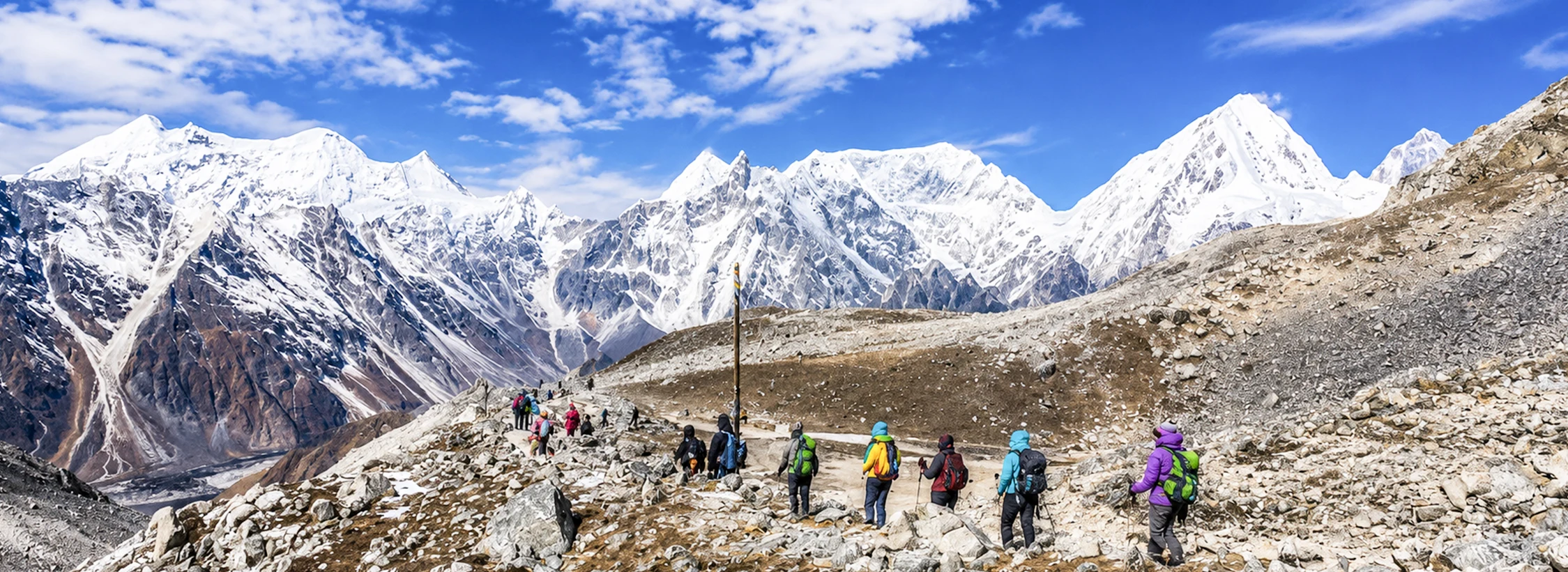
The Manaslu Circuit trek is a remote journey that circles the eighth-highest mountain in the world, Mount Manaslu (8,163 m). This trek is Nepal’s most spectacular adventure that provides you with a stunning view of the Himalayas, the diverse landscape of Nepal, and a moment to explore remote villages and the culture of the local people. The Manaslu Circuit trek is located in a restricted area of Nepal, the Manaslu region, and takes you to the highest point of Larkya La Pass (5,106 m), where the weather, terrain conditions, and high altitude pose several challenges. While spring (March to May) and autumn (September to November) are the best seasons for the Manaslu Circuit Trek, Monsoon (June to August) can be challenging due to severe weather, risk of landslides, slippery trails, and floods in the lower regions. This blog provides information about the Manaslu Circuit Trek during the monsoon, including weather, trail conditions, and risks. The possibility of trekking in the Manaslu region during the monsoon and the rewards it offers, along with safety tips, is also provided. Manaslu Monsoon Trek Feature Details Region Manaslu Conservation Area, Gorkha, Nepal Trek Duration 13 to 17 Days Monsoon Season June to August Highest...
10 July, 2026
Gosainkunda Lake Trek : Complete Guide to Routes, Cost & Best Time
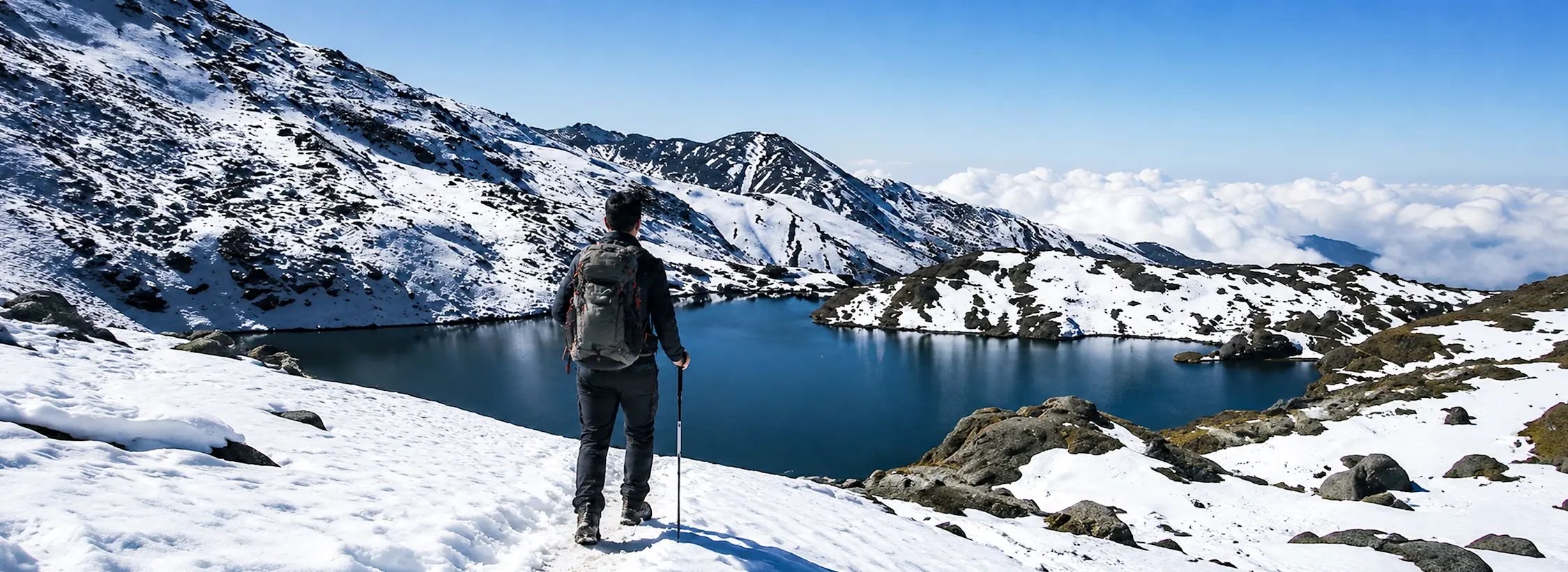
The Gosainkunda Lake trek is a rewarding and memorable experience in Nepal’s Langtang region. Gosaikunda Lake (4,380 m), in the Rasuwa district of Nepal, provides a jaw-dropping view of the Himalayas along with deep cultural and spiritual meaning, as the lake is one of the sacred destinations for Hindu and Buddhist followers. You trek through dense rhododendron forests, charming villages, and high-altitude alpine landscapes. This moderately difficult trek to the pristine glacier lake of Gosaikunda gives you an unforgettable experience of the Himalayas. This guide provides information about the Gosaikunda Lake trek in the Langtang region of Nepal. The best time to visit, itinerary details, permit requirements, difficulties, and preparation guides are also provided. Gosaikunda Lake Trek Trek Overview Details Trek Region Langtang National Park, Rasuwa district, Central Nepal Maximum Altitude 4,380 m (Gosainkunda Lake), 4,610 m (Lauribina Pass Trek) Trek Duration 5 to 7 Days Trek Difficulty Moderate Best Seasons Spring (March to May)Autumn (September to November) Starting and ending point Dhunche (2030 m) Popular Attraction Bhairabh Kunda, Sing Gompa, Lauribinayak, and other lakes Accommodation Guesthouses, Tea Houses, and Lodges Permits Required Langtang National Park Entry Permit, TIMS, Shivapuri Nagarjun National Park Entry Permit (Only if you trek via Sundarijal,...
25 June, 2026
Muktinath Helicopter Tour From Pokhara 2026/27: Cost, Itinerary, And How to Book
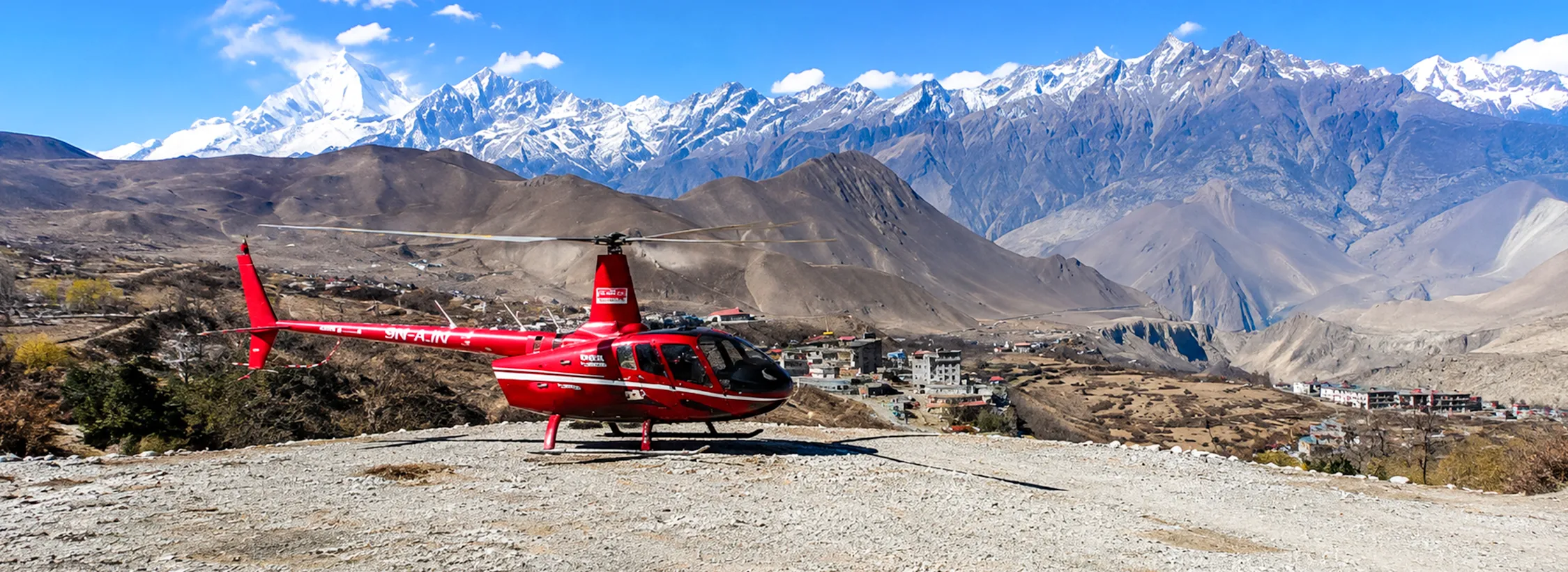
Is Muktinath your dream destination where you want to travel to enhance your devotion and increase spiritual awareness while enjoying the beautiful scenery of the region? You are not alone, as the place is on the bucket list of everyone in 2026/27. Whether you are visiting there to worship or to enjoy the beautiful scenery and feel the spiritual essence of the place, reaching there is not as easy as you think. While roads are better in recent days, the narrow paths, bumpy sections, high-altitude regions, and requirement of multiple days of travel are not what anyone can handle. If you feel motion sickness while traveling in cars or buses, the road journey further exacerbates your sickness with curvy and bumpy roads. In addition to that, a road journey is time-consuming and is not for someone who has limited time. A helicopter tour from Pokhara to Muktinath can be the ideal choice, as it is the fastest and safest way to travel. Helicopter tour to Muktinath is an adventurous, memorable, and hassle-free experience for anyone with limited time, problems in a road journey, and a desire for a comfortable experience. In this blog, we provide information about the Muktinath helicopter...
17 June, 2026
Altitude Sickness in Nepal Treks: Symptoms, Prevention & What to Do at Each Trail Stage
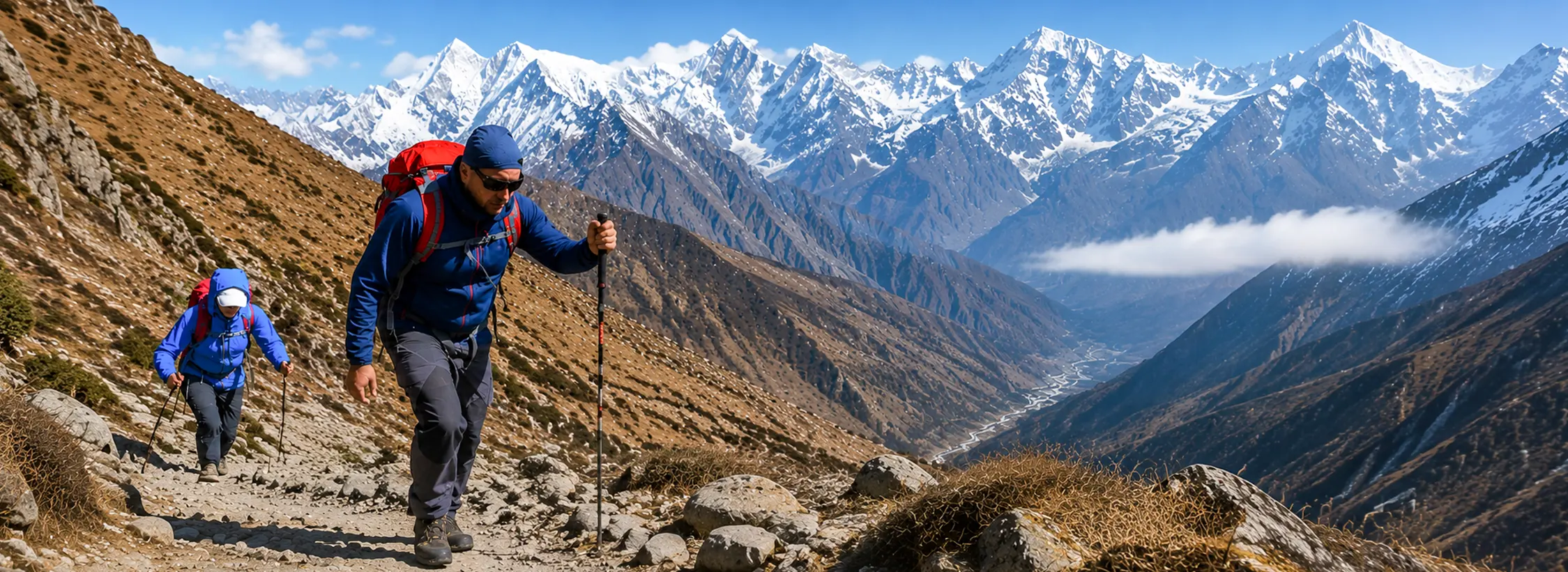
If you are planning a high-altitude adventure, Nepal is definitely the primary destination for you. The country is home to many trekking destinations that take you to the lap of towering peaks in the Himalayas. Destinations like Everest Base Camp, Annapurna Base Camp, Mardi Himal Base Camp, and many other locations reward you with spectacular mountain views, beautiful trails, and the refreshing experience of the Himalayas. However, these high-altitude regions also challenge adventurers with altitude sickness. Altitude sickness is one of the most common difficulties experienced by high-altitude travelers. As you gain elevation, the air pressure drops significantly, due to which your body can’t get enough oxygen and starts to show symptoms. This is concerning, as it poses a life-threatening risk if not managed on time. In this blog, we explain what altitude sickness is and why it occurs in high-altitude regions like Nepal. Its common symptoms and prevention tips for trekkers or high altitude explorers are also explained. What Is Altitude Sickness? Altitude sickness is the body’s reaction to a high-elevation atmosphere. It occurs when one climbs to high altitudes quickly and is exposed to the thinner atmosphere. As the atmospheric pressure is low, you do not breathe the...
8 June, 2026
Upper Mustang Trek in Monsoon 2026: Why June, July & August Are Worth It
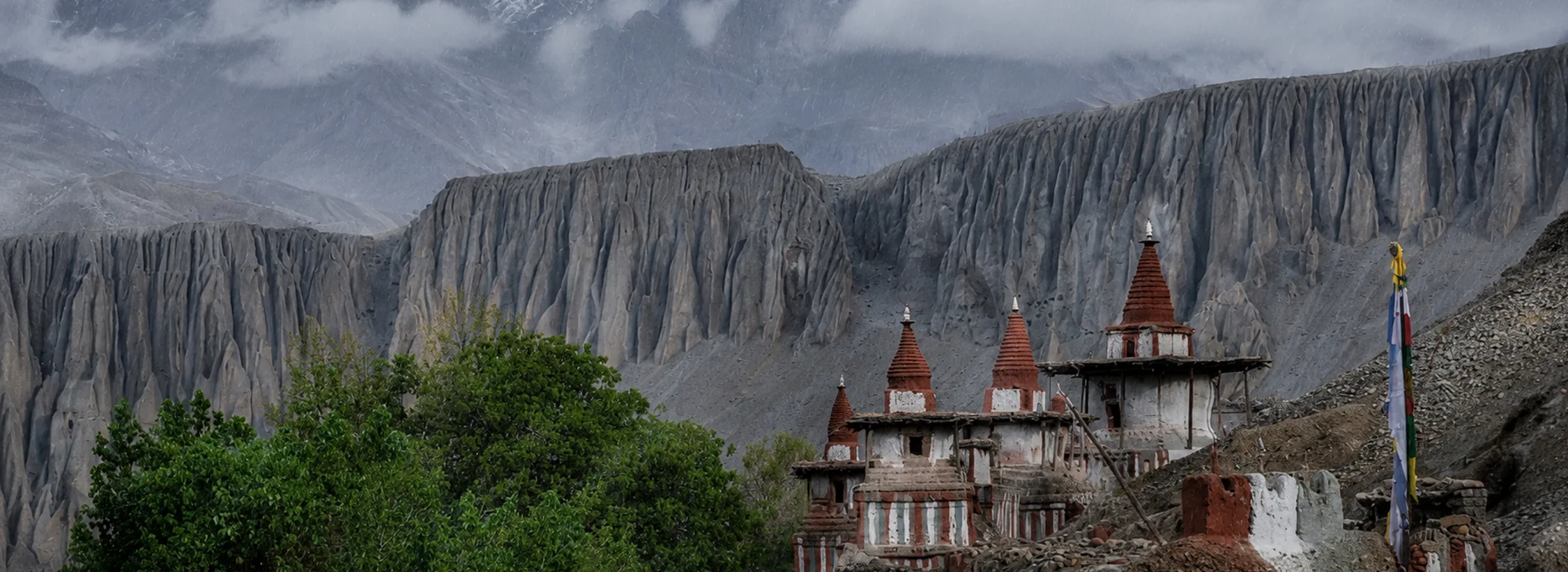
Trekking in the Upper Mustang region of Nepal gives you a unique experience of dry desert landscape, rich Himalayan culture, and stunning views of nearby peaks. Visiting Upper Mustang in monsoon season from June to August further enhances your experience with bright green fields, rushing waterfalls, and views of vibrant red and yellow cliffs. While most trekking destinations in Nepal experience heavy rain from June to August, Upper Mustang remains dry, peaceful, and less crowded. The region is dry even in the monsoon due to its location entirely within the Himalayan rain shadow region. This makes the Upper Mustang ideal for trekking to experience peaceful trails, vibrant culture, and dramatic landscapes even during monsoon season. In this blog, we explain why trekking in the Upper Mustang is worthwhile during the monsoon season from June to August. The weather in the region during June, July, and August, and the experience these months provide to trekkers, is explained. Also, the information about challenges, essential permit requirements, and safety tips for visiting Upper Mustang in the monsoon is provided. What Makes Upper Mustang Unique in Monsoon Season The lesser rain, even during the peak monsoon season, makes the Upper Mustang region unique. As...
28 May, 2026
Solo Trekking in Nepal 2026: Is It Actually Banned? The Mandatory Guide Rule Explained
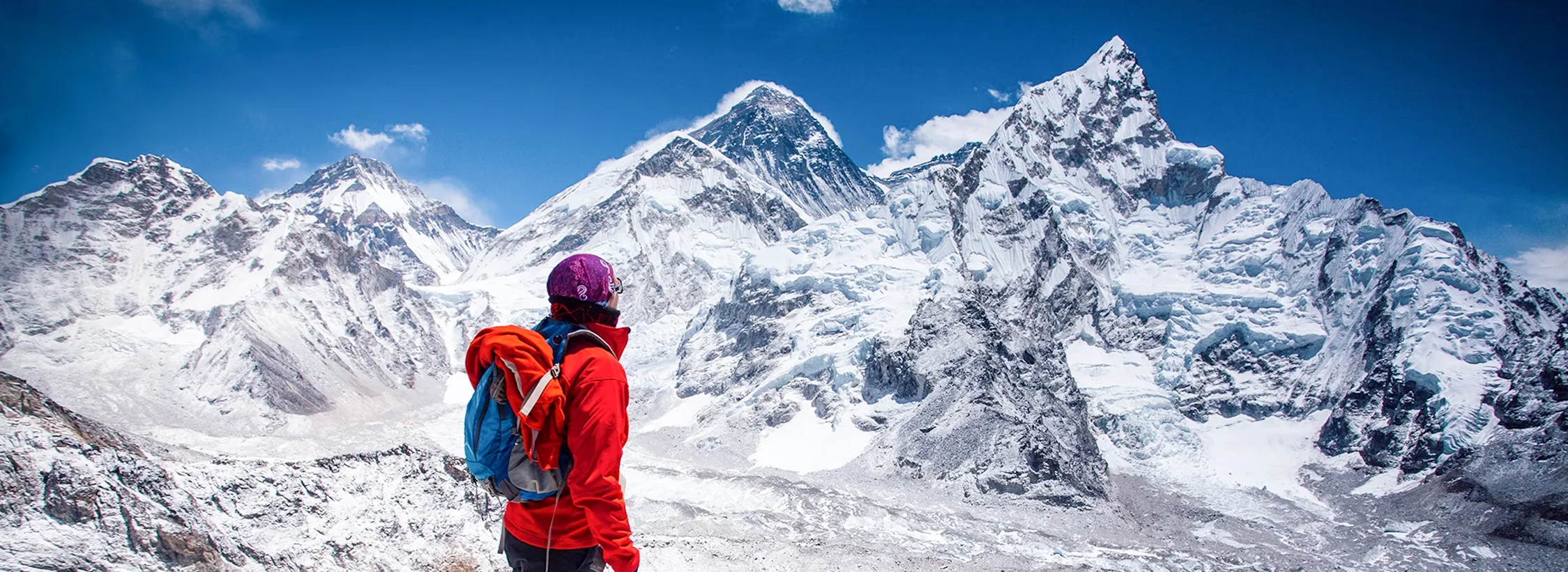
Nepal has always been one of the world’s top destinations for high-altitude adventures, as the country is home to the Himalayas, unique geography, and rich culture. From iconic destinations like Everest Base Camp and the Annapurna region to isolated regions like Manaslu, Dolpo, and Mustang, Nepal attracts thousands of independent trekkers every year. But in recent days travelers, especially solo trekkers, are confused with the new trekking regulations imposed by Nepal. As Nepal disallowed solo trekking and the mandatory guide rule in 2023, many trekkers have a common question : is a solo trek actually banned in Nepal? The answer is no, as in March 2026, the country announced another update in trekking rules, allowing solo trekkers in restricted areas. But the catch in the new rule is one can trek solo in Nepal but not completely independently, as one requires a licensed guide. In this guide we provide details about the solo trekking rules in Nepal in 2026 that everyone must know. The information about newly opened restricted areas’ rules for solo trekkers, permit requirements, processes to get permits, and tips for solo trekkers in Nepal is also provided. Is Solo Trekking in Nepal Actually Banned in 2026? Most...
27 May, 2026
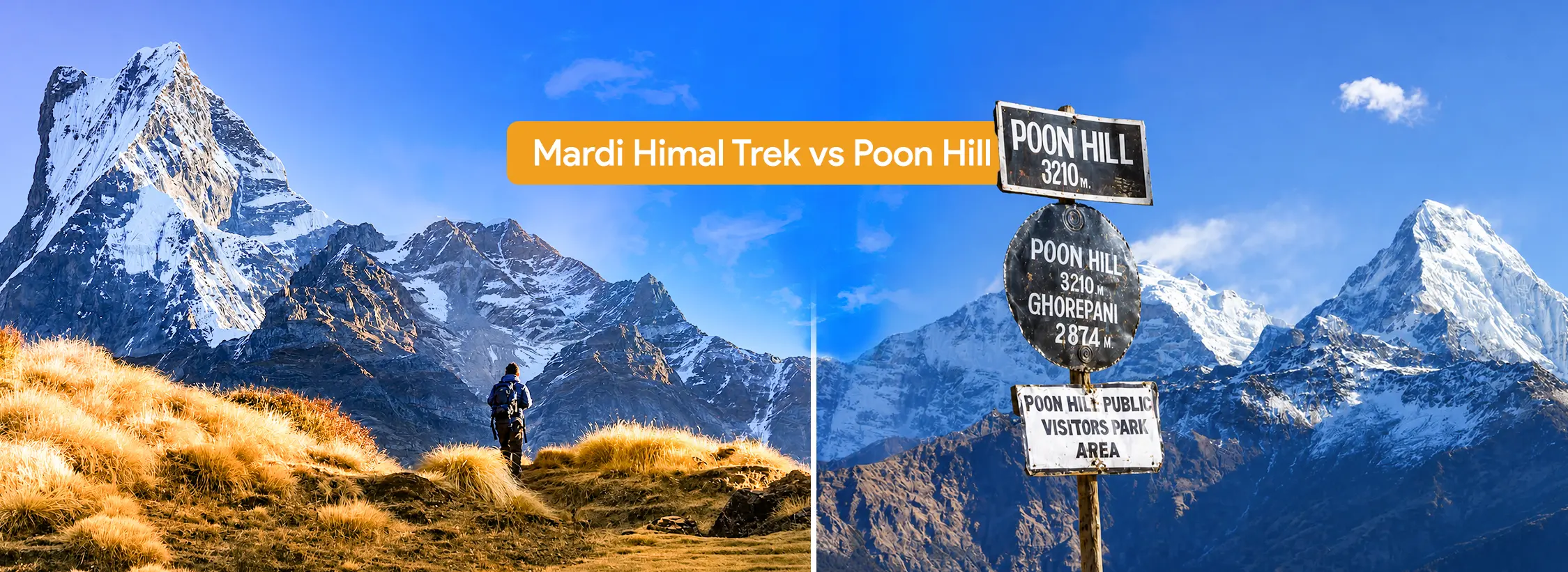
Mardi Himal Trek vs Poon Hill: Which Short Trek Is Better for Your Nepal Trip?
Nepal is home to iconic trekking destinations, from high-altitude treks requiring longer days to Short treks like Mardi Himal and Ghorepani Poon Hill Trek. The Mardi Himal Trek and Poon Hill Trek are two popular destinations located in the Annapurna region of Nepal. These destinations are top choices for trekkers due to beginner-friendly routes, natural and cultural interactions, and the requirement of a few days for completion of treks. But among the Mardi Himal Trek and Poon Hill trek, which trek is better for your Nepal trip? In this blog, we try to address this question and provide you proper details and information so that you can choose an ideal trek during your visit to Nepal. The scenario and experience, trek distance and duration, difficulty, trail condition, altitude, and various important factors are described to help you decide the best trek destination for you. Mardi Himal Trek vs Poon Hill Trek: Quick Comparison Feature Mardi Himal Trek Poon Hill Trek Location Annapurna Region, Nepal Annapurna Region, Nepal Duration 7 to 10 days 5 to 8 days Maximum Altitude 4,500 m, Mardi Himal Base Camp 3,210 m, Poon Hill Difficulty Moderate Easy to Moderate Best For Adventure seekers, beginners with preparation,...


